Introduction
The Anti-Atlas Mountains, located in southwestern Morocco, offer an extraordinary backdrop for those looking to explore the mesmerizing beauty inherent in nature. This lesser-known mountain range is characterized by its rugged terrain, unique geological formations, and spectacular landscapes, making it an ideal region for gravel biking in Morocco. The amalgamation of vibrant Berber culture, ancient history, and diverse ecosystems creates an enriching experience for gravel biking enthusiasts eager to connect with their surroundings.
As one embarks on a gravel biking journey through the Anti-Atlas Mountains, the striking contrast of red and ochre-hued rock formations against the rich green valleys provides a breathtaking spectacle. Gravel biking cyclists encounter diverse trails that vary from smooth dirt roads to challenging rocky paths, allowing riders of all skill levels to embrace adventure at their own pace. Here, the excitement of gravel biking in Morocco’s Anti-Atlas region reveals hidden oases and quaint villages nestled within this rugged landscape, adding a cultural dimension to the physical challenge.
The interaction of nature and culture is palpable as gravel biking cyclists traverse the land, witnessing the traditional ways of life that have persisted for centuries. From the hospitality of local Berber communities to historical sites steeped in antiquity, a gravel biking adventure in the Anti-Atlas Mountains presents opportunities to engage deeply with the local environment. Each pedal stroke becomes a step deeper into a tapestry woven with stories of the past and the rhythms of daily life.
In this captivating setting, gravel biking in the Anti-Atlas Mountains of Morocco transcends mere recreation; instead, it becomes a voyage through both time and space, reflecting the interplay of nature, culture, and history. The Anti-Atlas Mountains stand as a testament to the beauty of exploration, inviting gravel biking riders to discover not just the stunning vistas, but also the rich narratives that underlie this remarkable landscape.
The Town of Tafraout for Gravel Biking Adventures
Nestled within the rugged terrain of Morocco’s Anti-Atlas Mountains, the town of Tafraout serves as the captivating starting point for many adventurous souls seeking to explore this remarkable region by gravel bike. Distinguished by its striking pink granite boulders that punctuate the landscape, Tafraout is reminiscent of a natural masterpiece, where the hues shift dramatically as the sun traverses the sky. These boulders not only attract climbers and hikers but also offer a visually stunning backdrop for cyclists embarking on their journey.
The atmosphere in Tafraout is one of tranquil simplicity, providing an inviting sanctuary for both locals and visitors alike. As one strolls through the town, the peacefulness envelops the senses, making it an ideal base for preparing for upcoming adventures. The narrow streets, lined with traditional Moroccan architecture, echo with the soft sounds of daily life, from the calls of merchants in the bustling market to the laughter of children playing nearby. The community is warm and welcoming, often eager to share their stories with travelers, further enhancing the experience.
Local anecdotes reveal a deep connection to the land, with residents often speaking fondly of the surrounding mountains and the legends that populate their history. One local, an elder named Ahmed, shared how the boulders were formed through ancient volcanic activity, imparting a sense of magic to the location. For cyclists, each ride offers not only a physical challenge but also an opportunity to immerse themselves in the rich culture woven into the fabric of Tafraout. As cyclists prepare to venture forth from this uniquely positioned town, they carry with them the essence of Tafraout, a place where the promise of adventure intertwines beautifully with the serenity of the landscape.
The Ascent into the Hills
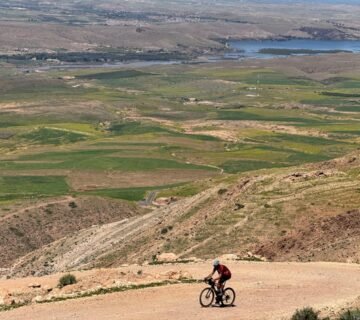
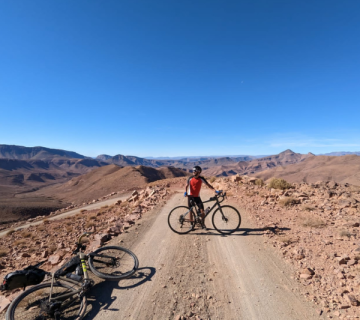
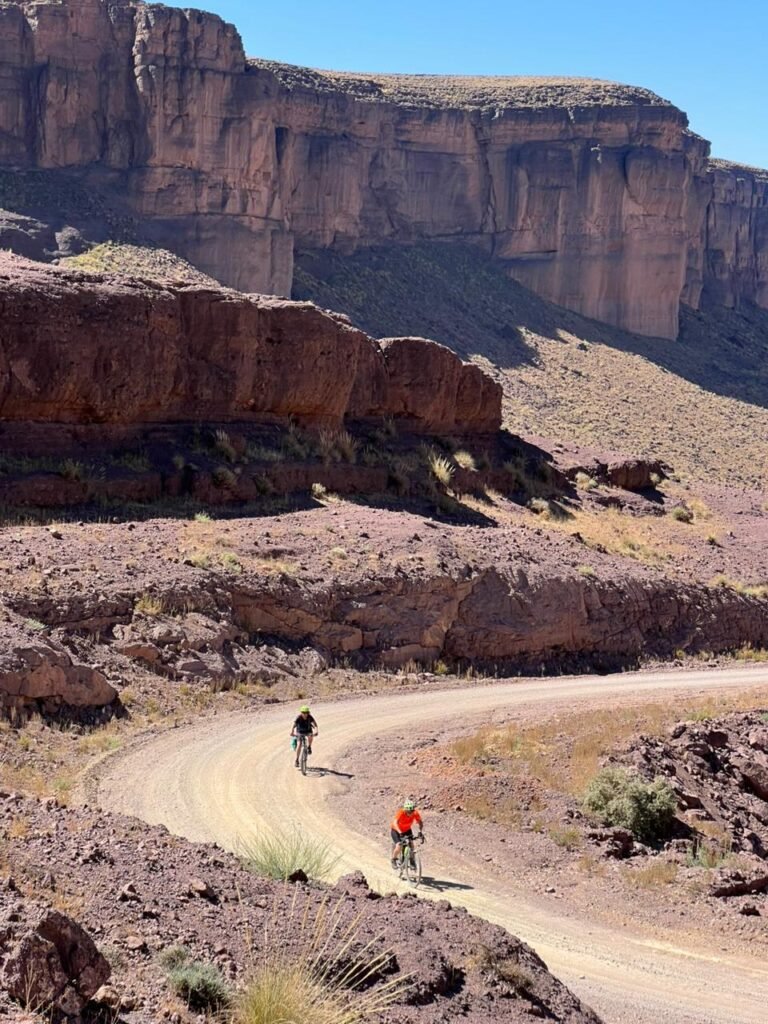
As riders embark on their gravel bike journey through the Anti-Atlas Mountains, they are met with a gradual yet exhilarating shift in terrain. The initial flat stretches give way to jagged rock formations that loom majestically, providing a stark contrast to the expansive valleys below. These formations, eroded over time, create a stunning backdrop that inspires awe and encourages exploration. Each ascent introduces a new perspective of the evolving landscape, making the effort well worth it.
The transition from flatlands to hills is not merely a physical challenge; it is an invitation to immerse oneself in the rich diversity of the environment. As the path twists and turns, riders traverse wide valleys that cradle ancient, terraced fields. These fields, meticulously cultivated by local farmers for generations, exemplify humanity’s harmony with nature. The vibrant colors of blooming crops against the rugged mountainside serve as a reminder of resilience and adaptability, a testament to life thriving in this challenging terrain.
Climbing into the hills demands both physical and mental fortitude. The gravel bike’s tires crunch against the stones, each pedal stroke requiring determination as the altitude increases. However, with each ascent, a sense of discovery unfolds. The views transform as riders gain elevation—each turn reveals new panoramas that captivate the senses, from sweeping vistas of undulating hills to the distant outlines of peaks shrouded in mist. Each moment spent navigating this dynamic landscape adds to the adventure, turning the struggle of the climb into a rewarding experience filled with the thrill of exploration and the joy of discovery.
The Living Geology of the Anti-Atlas
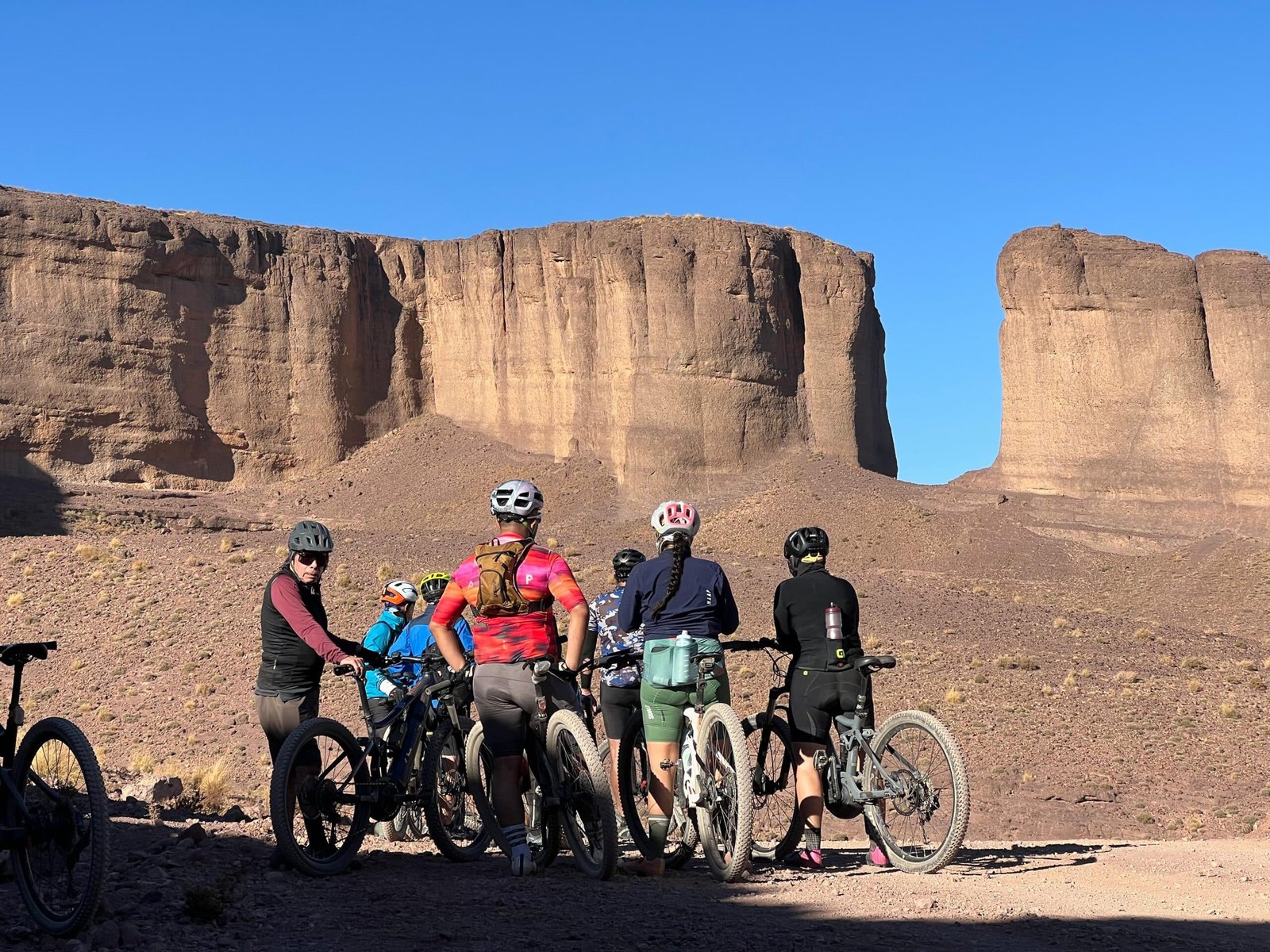
The Anti-Atlas Mountains, located in southwestern Morocco, are some of the oldest geological structures in Africa, with origins dating back over 500 million years. This mountain range serves as a significant part of the geological history not just of Morocco, but of the entire African continent. The visible rock formations provide a comprehensive account of the planet’s geological past, bearing witness to the dynamic processes that have shaped it over millennia.
As one traverses the Anti-Atlas, the rocks communicate stories through their unique formations and strata. Each layer represents a different epoch, from ancient ocean floors to volcanic activity that sculpted the rugged landscape. Geological phenomena, including fault lines and eroded limestone formations, illustrate the incredible forces of tectonics and erosion at work. These formations serve a dual purpose—not only are they appealing to the eye, but they also provide essential insights for geologists studying the evolution of the Earth.
The vibrant hues of the mountains—ranging from limestone and granite to sedimentary rocks—showcase a palette altered by time itself. The varying colors and textures of these rocks signify diverse geological processes that have occurred throughout the ages. The Anti-Atlas also boasts some of the world’s most well-preserved sedimentary sequences, presenting a natural narrative of sediment deposition and formative environments that existed when these rock layers were laid down.
Moreover, the Anti-Atlas is not just a collection of ancient rocks; it encapsulates the interaction between humans and nature. Many Berber communities have thrived in this region, adapting their cultures and practices to the challenging landscapes. This symbiosis underscores a broader narrative—how the geological features of an area continue to shape its human history and cultural patterns, tying together the region’s natural and cultural heritage in a unique tapestry of life.
Encounters with Local Life
As we navigated the rugged terrain of the Anti-Atlas Mountains, our journey became interwoven with the rich tapestry of local life. The very rhythm of daily existence here is uniquely shaped by the landscape, revealing a culture that thrives in symbiosis with the land. Each encounter along the way presented a snapshot of the community’s traditions and the slow pace of life that characterizes this remarkable region.
One of the most memorable interactions occurred when we met a group of children playing in the small, sun-drenched village square. Their laughter echoed against the mountain backdrop, a reminder of the simple joys that define their childhood. The children, with their smiles and curiosity, were eager to share their world, showing us their homes and even teaching us some local games. This exchange underscored how vital community and connection are to their everyday experiences.
Not far from the village, we encountered farmers tending to their fields, cultivating crops that flourish in the arid climate. Their connection to the land was palpable; it was evident that every planting season and harvest was steeped in generations of knowledge passed down through the years. We engaged with several farmers who graciously shared their insights about sustainable practices and the significance of cooperation within their communities. Such interactions painted a vivid picture of life here, bound closely to the rhythm of nature and the seasons.
In these quiet moments, away from the bustle of modern life, we witnessed a profound respect for tradition. The residents enriched our journey, allowing us glimpses into their everyday lives and reaffirming how the Anti-Atlas Mountains serve not only as a backdrop for adventure but as a cradle of culture and connection.
The Vast Plateaus and Nomadic Traditions
As the gravel bike journey through the Anti-Atlas Mountains unfolds, one approaches the vast plateaus, a significant geographical shift that offers a dramatic expansion of scenery. Here, the rugged terrain transforms into sweeping, open landscapes that captivate any adventurer’s spirit. The air is fresher and the horizon stretches infinitely, creating a canvas that showcases nature in its purest form, punctuated by hues of ochre, green, and blue. The tranquility of the plateaus invites riders to pause and immerse themselves in the surroundings.
During this expedition, one encounters nomadic caravans, a quintessential aspect of the region’s cultural tapestry. These dynamic groups often travel across the plateaus, maintaining a lifestyle rooted in ancient traditions. Their connection to the land is deeply significant, as they navigate seasonal paths that their ancestors have followed for generations. The dromedary camels play an indispensable role in these nomadic lifestyles, serving not only as beasts of burden but also as a symbol of resilience. These majestic animals are particularly well-suited to the arid environment, able to travel long distances while carrying essential supplies.
Observing the caravan is an enlightening experience; their movements echo the undying connection the nomads have with their heritage. Each caravan is a story of survival, adaptation, and cultural memory, illustrating how these traditions withstand the test of time. The rhythmic sound of their footsteps and the gentle swaying of camels creates a unique harmony that enchants the senses. Travelers are encouraged to respect and engage with these nomadic communities, learning about their sustainable practices and the significance of their journeys. This woven narrative of the nomads and their connections to the vast plateaus illustrates not only the beauty of the Anti-Atlas but also the depth of human history embedded within its compelling landscapes.
The Transformation of the Landscape at Visit Morocco

As the sun begins its descent behind the rugged peaks of the Anti-Atlas Mountains, the landscape undergoes a breathtaking transformation that captivates all who venture along its gravel paths. The granite formations, usually stark and imposing, are bathed in a palette of warm hues that shift dramatically as twilight approaches. Brilliant oranges and soft pinks reflect off the rocky surfaces, creating an ethereal glow that seems to breathe life into the mountains themselves.
This transition into dusk not only alters the colors of the surroundings but also deepens the shadows that stretch across the valleys. The interplay of light and dark enhances the unique textures of the terrain, drawing attention to the intricate details of the rugged rock faces. Each silhouette becomes a reminder of the geological history that has shaped this remarkable landscape over eons, inviting reflection on the forces of nature that have carved these glorious formations.
In this tranquil setting, one might also experience a profound sense of peace and solitude, far removed from modern distractions. The sounds of the day gradually diminish, replaced by an enveloping silence that allows for introspection and connection with the natural world. As the stars begin to emerge in the clear night sky, the contrast of the vibrant dusk and the impending night fosters a unique ambiance of serenity.
Riding through these majestic mountains at dusk is more than just a physical journey; it becomes an emotional and spiritual experience. Each gravel path leads deeper into a realm of wonder, where the transformation of the landscape serves as a reminder of the beauty and tranquility that can be found in nature’s untouched corners. The Anti-Atlas Mountains offer an enchanting escape, allowing riders to savor their solitude amidst the grandeur of the dusk-lit surroundings.
The Power of Connection
Embarking on a gravel bike journey through the Anti-Atlas Mountains is an experience that transcends mere physical exertion. It becomes a profound connection to the land, its history, and the indigenous people who inhabit it. The rugged landscape, characterized by its dramatic peaks and serene valleys, invites riders to engage not only with the topography but also with the stories that shape this region.
As cyclists traverse the winding paths, they often encounter local communities, each with unique customs and traditions that offer insight into the cultural fabric of the area. These interactions serve to deepen the riders’ understanding of the Anti-Atlas Mountains, as friendly exchanges reveal the significance of the terrain in people’s daily lives. The power of these connections lies in the personal stories shared and the relationships fostered through a simple smile, a nod, or a conversation with a villager.
Moreover, the physical connectivity with the land—feeling the texture of the earth beneath tires and experiencing the changing weather patterns—adds a layer of intimacy to the journey. This communion with nature provides riders with a sense of belonging, allowing them to appreciate the majestic landscapes that they are cycling through. The emotional resonance of these moments cannot be understated; they create lasting memories and encourage a deeper respect for the environment.
Ultimately, this ride becomes more than just an adventure; it evolves into a tapestry woven from the threads of shared human experiences and natural wonders. Riders may find that the connections they cultivate enhance their appreciation for the Anti-Atlas Mountains, fostering a desire to protect and preserve its beauty for future generations. Such relationships and experiences represent the true essence of this journey.
Conclusion and Reflections
As we conclude our journey through the breathtaking landscapes of the Anti-Atlas Mountains, it becomes evident that this gravel bike adventure was not merely about the physical challenge, but rather an immersion into a world where nature and culture coexist in harmony. The winding trails, punctuated by awe-inspiring vistas, led us through a tapestry of living traditions, where local communities continue to thrive, deeply connected to their environment.
The Anti-Atlas presents a unique opportunity to experience untouched beauty that seems to be preserved in time. Each pedal stroke took us deeper into a realm that is both timeless and vibrant, where the rugged terrain and serene altitudes offer a moment of respite from the chaos of modern life. It is in these unspoiled landscapes that we find a treasure trove of experiences, revealing the intricate relationship between the people and their land.
Reflecting on this gravel bike journey, it is clear that such adventures have the power to inspire and invigorate. Engaging with the local cultures, witnessing the incredible biodiversity, and traversing the diverse topography have enriched our understanding of this remarkable region. The sights, sounds, and interactions have woven a fabric of memories that resonate far beyond the physical distance traveled.
Gravel Biking: We encourage readers to seek out their own adventures in similar timeless places, where the confluence of nature, history, and community waits to be explored. Let the open roads and untouched trails of the Anti-Atlas Mountains inspire you to embrace the call of adventure, reminding us that there is beauty in discovery and richness in the journey itself. As you plan your own explorations, consider the significance of experiencing the world through a lens of respect for both the landscape and its inhabitants.
Gravel biking in Morocco is an ultimate adventure experience combining challenging gravel roads, breathtaking landscapes, and deep cultural immersion. Riders explore the High Atlas Mountains, remote desert tracks, and traditional Berber villages while enjoying some of the most diverse cycling terrain in the world. From high mountain passes to Sahara gateways, every route delivers a powerful mix of nature, adventure, and authentic Moroccan culture.
Gravel biking in Morocco offers one of the most diverse cycling experiences in the world, combining remote gravel roads, epic mountain climbs, and vast desert landscapes. Riders explore the High Atlas Mountains, the Anti-Atlas region, and the edge of the Sahara while passing through traditional Berber villages, ancient kasbahs, and hidden valleys.
This destination is perfect for adventure cyclists looking for more than just sport. The routes mix challenging off-road gravel tracks with scenic landscapes, from high mountain passes to palm-filled oases and rocky desert plateaus. Every stage brings a new environment, making Morocco a top choice for gravel bike tours in Africa.
Beyond the riding, Morocco delivers a strong cultural experience. Cyclists often share mint tea with locals, discover rural traditions, and ride through centuries-old caravan routes that once connected the Sahara to the north.
With its combination of adventure, culture, and extreme landscape variety, gravel biking in Morocco is becoming one of the fastest-growing cycling experiences for international riders.
Gravel Biking