Introduction to Amazigh Culture and Gravel Biking in Morocco
Gravel bike in Morocco offers much more than incredible cycling routes. It is a journey into the heart of Amazigh culture, where travelers experience genuine hospitality, traditional cuisine, ancient history, breathtaking mountain landscapes, and authentic village life. Riding through the High Atlas on a gravel bike allows you to discover the true soul of Morocco, far from the crowds and deep within its most beautiful and welcoming communities.
Gravel biking in Morocco offers an unparalleled approach to discovering the traditional ways of life of the Amazigh people, who have inhabited the mountainous and desert regions for centuries. The undulating paths and rugged terrains reveal a plethora of diverse landscapes, from the lush valleys inhabited by the Amazigh to the arid expanses that showcase their resilience. By pedaling through this captivating environment, cyclists can intimately connect with the land and its people, embracing the full essence of Amazigh hospitality.
The Amazigh people are known for their warmth and generosity, traits also reflected in their culinary traditions, vibrant art, and music. Exploring the Moroccan countryside on a gravel bike enables travelers to participate in local customs, taste traditional dishes, and experience the hospitality that the Amazigh community is proud to offer. This immersive approach leads to meaningful encounters and a deeper understanding of their cultural heritage.
As we embark on this journey of discovery through the intertwining paths of gravel biking and Amazigh culture, we delve deeper into the history, landscapes, and rich traditions that define this remarkable community. This exploration not only enhances the biking experience but also fosters a genuine appreciation for the cultural narratives that shape Morocco’s identity today.
The Rich History and Identity of the Amazigh People
The Amazigh people, also known as Berbers, are among the indigenous inhabitants of North Africa, with a history that spans thousands of years. Recognized for their vibrant culture, the Amazigh have maintained their unique identity through centuries of change, from the Roman Empire to the Arab conquests. Their roots can be traced back to ancient civilizations, with archaeological evidence highlighting the existence of Amazigh groups in regions that now encompass modern-day Morocco, Algeria, Tunisia, and beyond.
At the heart of Amazigh identity is their language, Tamazight, which belongs to the Afro-Asiatic family of languages. The Amazigh people have a rich oral tradition, with folklore and stories passed down through generations that reflect their beliefs, history, and social values. The significance of their language and cultural expressions is paramount, especially in an era marked by globalization and cultural homogenization. The recognition of Tamazight as an official language in Morocco underscores the ongoing efforts to preserve their linguistic heritage.
Amazigh culture is characterized by its strong community ties and a unique worldview. Their traditional practices include colorful music and dances, intricate arts and crafts, and the celebratory festivals that signify seasonal changes and agricultural cycles. These customs not only reflect their deep connection to the land but also serve as a vital means of cultural transmission for younger generations. In contemporary Morocco, the Amazigh people seek to navigate their identity in a modern world while emphasizing the importance of their heritage.
Understanding the history and identity of the Amazigh people is essential when exploring Morocco, especially for travelers on gravel bikes who venture into the heart of these communities. Engaging with their traditions enriches the travel experience and fosters a deeper appreciation for the diverse cultural tapestry that characterizes Morocco today.
Traditional Amazigh Hospitality: More Than a Warm Welcome
The Amazigh communities of Morocco are renowned for their exceptional hospitality, a cherished cultural value that reflects their heritage and way of life. Guests are welcomed with open arms, often starting with a heartwarming greeting and a handshake, which symbolizes friendship and respect. This initial interaction sets the tone for a rich cultural exchange, making gravel bike tours through the region an unforgettable experience.
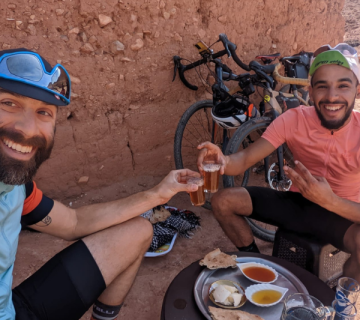
Upon entering a home, visitors are usually greeted with traditional mint tea, a drink that holds significant importance in Amazigh culture. The preparation and serving of this tea become ceremonial acts, showcasing the host’s generosity and commitment to honoring their guests. The mint tea is poured from a height, creating a frothy top, which is considered an indication of hospitality and attention to detail. Sharing this drink fosters a sense of camaraderie and openness, allowing for meaningful conversations to flow.
The Amazigh people take great pride in their culinary traditions, often serving bread and tagines as staples during meals. Guests can expect to share these meals around a communal plate, a practice that further embodies the spirit of hospitality and togetherness. The sumptuous flavors of spices, slow-cooked ingredients, and fresh produce that define Amazigh cuisine are not only a feast for the senses but also an invitation to engage with the local culture.
Overall, the legendary hospitality of the Amazigh is characterized by warmth and generosity, making it an integral part of any gravel bike tour experience through this beautiful region. This tradition of welcoming others is not merely a formality; it encapsulates the essence of community and connection that defines the Amazigh way of life, ensuring that guests leave with cherished memories and hearts full of gratitude.
Breathtaking Landscapes of Morocco: A Cyclist’s Paradise
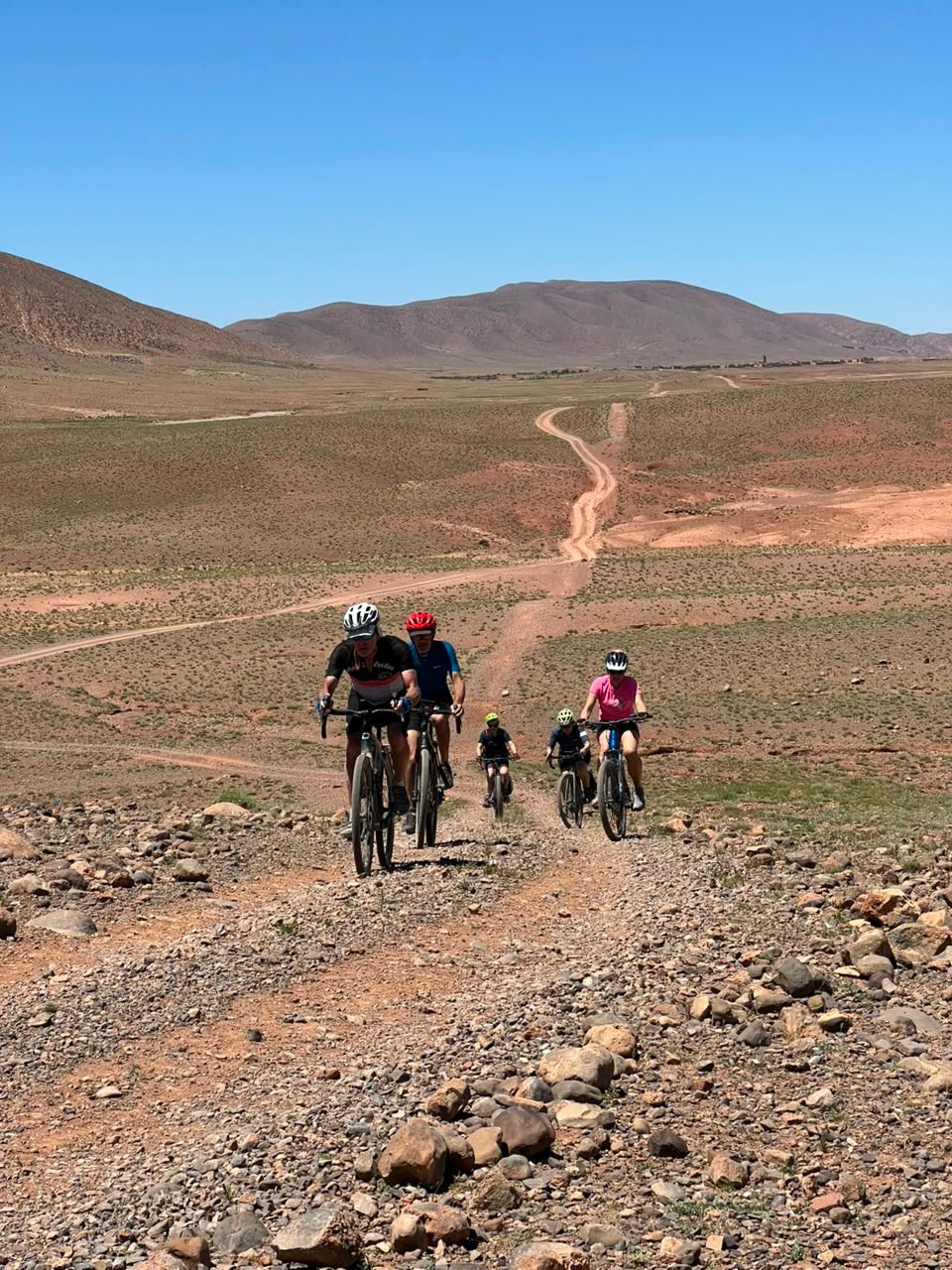
The landscapes of Morocco are as diverse as they are stunning, offering cyclists an array of breathtaking environments that enhance their biking experience. From the dramatic peaks of the High Atlas Mountains to the tranquil valleys nestled between them, Morocco serves as a picturesque backdrop for gravel biking enthusiasts. The imposing mountains, with their rugged terrain, offer challenging routes for adventurous cyclists, providing not only a physical challenge but also an opportunity to witness the spectacular natural beauty of the area.
As cyclists traverse these challenging routes, the scenery transforms, revealing serene valleys that present a striking contrast to the mountains. These valleys often feature lush foliage and vibrant flora that thrive in the irrigation of nearby rivers. It is not uncommon for cyclists to stop and take in the peaceful ambiance, where the sound of flowing water and the scent of wildflowers enhance the sense of tranquility. Such valleys also allow interaction with local communities, encouraging cyclists to immerse themselves in the hospitable culture of the Amazigh people.
Moving away from the highlands, cyclists can discover the allure of the desert landscapes that characterize much of Morocco. The vast stretches of sand dunes and arid terrains provide a unique biking experience, with picturesque sunsets that blanket the earth in golden hues. The challenge of navigating this diverse terrain truly accentuates the thrill of gravel biking, as cyclists must adapt to the varying conditions of these enchanting landscapes.
Lastly, Morocco’s lush forests conceal hidden trails that invite exploration. Here, cyclists can wind through trees while appreciating the cooler climate and diverse wildlife. The connection to nature becomes profoundly personal as riders navigate through these green expanses, fostering a deeper appreciation for the untouched beauty of Morocco’s landscapes.
Connecting with Local People: Stories on the Gravel Trails
One of the most enriching aspects of gravel biking through Morocco is the opportunity to connect with local people. Each encounter offers a glimpse into the vibrant culture and traditions of the Amazigh communities that inhabit the rural landscapes. Along the winding gravel trails, bikers often find themselves stopping to interact with villagers, each with their own unique story to share.
In the small village of Tafraout, a group of children ran joyously alongside cyclists, their laughter mingling with the rhythmic sound of gravel crunching beneath tires. They shared tales of their daily lives, filled with dreams of future adventures. Through these interactions, travelers learn about the significance of community and the simple joys that define rural living in Morocco. These children, with their bright smiles, remind us of the universal language of play and curiosity.
Meeting local artisans also adds depth to the travel experience. For example, during a break in the town of Tiznit, a gravel biker was invited into a workshop where a skilled silversmith demonstrated the intricate art of creating traditional jewelry. Such personal exchanges highlight the craftsmanship that has been passed down through generations within the Amazigh culture. Travelers often leave with more than just souvenirs; they carry stories of resilience and beauty encapsulated in handcrafted pieces.
Encounters with shepherds are equally remarkable. As bikers navigate the trails, it is not uncommon to see shepherds tending to their flocks against a stunning mountainous backdrop. A brief conversation with these individuals reveals their deep connection to the land and livestock, reflecting a harmonious lifestyle honed over centuries. The exchange of stories and experiences signifies a much deeper understanding of Moroccan life.
Ultimately, these interactions contribute to a rich tapestry of experiences that enhance the thrill of gravel biking in Morocco. By embracing the hospitality of local people along the trails, cyclists not only enrich their journey but also forge connections that transcend geographical boundaries. The stories gathered on these routes create memories that last a lifetime, turning a simple biking trip into a journey of cultural discovery.
Exploring Ancient Caravan Routes and Kasbahs
Morocco’s rich landscape is dotted with ancient caravan routes and iconic kasbahs that tell the stories of a bygone era. These paths once served as vital trade arteries, connecting various regions while facilitating the movement of goods, culture, and people across the harsh terrains of the High Atlas and anti-Atlas mountains. Today, cyclists can experience the historical significance of these routes firsthand by navigating them on a gravel bike, which offers both an adventure and an immersive journey into the region’s past.
As you traverse the rugged terrain, the remnants of historical trade routes become apparent. The dusty paths resonate with echoes of ancient caravans laden with spices, textiles, and precious goods, which traveled these same roads for centuries. Along the way, cyclists will be captivated by the distinct architecture of kasbahs—fortified dwellings constructed from adobe and stone. These structures served not only as residences but also as points of defense and community gathering, reflecting a culture deeply intertwined with the landscape.
Each kasbah, such as the renowned Aït Benhaddou, holds its own narrative shaped by historical events and local legends. Visiting these iconic landmarks allows travelers to better understand the intertwined forces of trade, culture, and community that have significantly shaped Moroccan life. The kasbahs stand as testaments to the craftsmanship and resilience of the Amazigh people, showcasing intricate carvings and designs that tell their story through architecture. As cyclists stop to rest and explore these magnificent structures, they connect not only with the physical remnants of history but also with the spirit of hospitality prevalent in the region.
Thus, exploring the ancient caravan routes and kasbahs while biking in Morocco provides a unique lens through which to appreciate the historical significance of the land, allowing travelers to forge a deeper connection with the culture and community that continue to thrive, shaped by their remarkable past.
Sustainable Travel: Supporting Local Communities and Preserving Culture
Sustainable travel is an increasingly important principle in modern tourism, particularly in regions rich with culture and history, such as those inhabited by the Amazigh communities in Morocco. Gravel biking through the diverse landscapes not only offers an exhilarating adventure but also presents an opportunity for tourists to engage directly with local cultures and economies. Embracing the concept of responsible tourism, travelers can foster meaningful exchanges and interactions, allowing them to appreciate the heritage while promoting conservation and local livelihoods.
By choosing to travel sustainably, gravel bikers can support local artisans, farmers, and small businesses. This support results in a more direct economic benefit to the communities that have preserved their cultural identities over centuries. Every purchase from local markets or workshops not only aids the economic stability of these communities but also protects traditional crafts that may otherwise face extinction in the face of globalization. Far from just being a passive observer, the gravel biker effectively becomes a participant in the local narrative, helping sustain cultural practices through their patronage.
Moreover, gravel biking inherently encourages a low-impact travel model. This method reduces reliance on motorized transport and minimizes the environmental footprint typically associated with tourism. By traversing on bikes, travelers directly contribute to preserving natural landscapes while also creating awareness around the environmental issues that affect these regions. Awareness leads to action, and as visitors learn about the unique ecosystems of Morocco, they are better positioned to advocate for conservation efforts.
In summary, gravel biking in Morocco offers a dual opportunity; it serves as an adventure that promotes physical fitness and the appreciation of breathtaking landscapes, while simultaneously allowing travelers to play a crucial role in supporting local economies and preserving the Amazigh culture. This holistic approach to travel reinforces the importance of stewardship and respect for the rich tapestry of human experience found within these vibrant communities.
Planning Your Gravel Bike Adventure in Morocco
Embarking on a gravel bike adventure in Morocco requires careful planning to ensure a fulfilling and rewarding experience. First and foremost, selecting the right routes is paramount. Morocco boasts a variety of landscapes, from the rugged Atlas Mountains to the serene deserts of the Sahara. When choosing your paths, make use of local knowledge or consult gravel bike tour operators who can provide insights into the best trails that showcase both natural beauty and cultural significance. Routes such as the Berber villages in the High Atlas or paths winding through the Sahara offer profound glimpses into the local lifestyle.
Essential gear for a gravel biking journey includes not only a reliable bike but also adequate safety equipment, including a helmet, gloves, and protective eyewear. Given the potential for varying weather conditions in Morocco, it is advisable to invest in a weather-resistant jacket and suitable clothing for both warm and cooler temperatures. Hydration packs or water bottles are essential to maintain optimum hydration during rides, while energy bars or snacks can help sustain your energy levels on longer excursions.
The best times to visit Morocco for a gravel bike adventure are typically during the spring (March to May) and autumn (September to November). During these periods, the weather is generally mild, making for comfortable riding conditions. Summer can become extremely hot, particularly in desert areas, while winter might bring snowfall in higher altitudes, limiting accessibility.
Consider partnering with expert gravel bike tour operators who specialize in immersive experiences. These operators can facilitate numerous logistics, ranging from accommodations to guided tours, ensuring that your adventure captures both the thrill of biking and the rich tapestry of Amazigh culture. Companies committed to sustaining local communities often provide opportunities for meaningful interactions and cultural exchanges, enhancing the overall experience of your gravel biking journey.
Conclusion: Embrace the Spirit of Adventure in Morocco
Morocco offers an unparalleled experience for those looking to combine the thrill of gravel biking with the rich cultural backdrop of Amazigh hospitality. This North African country, characterized by its diverse landscapes and vibrant traditions, presents a unique opportunity for adventurers to challenge themselves while experiencing the authentic essence of Moroccan life. As you pedal along the winding trails, each turn unveils not only breathtaking vistas but also encounters with local communities whose warmth and generosity make every journey more meaningful.
The experience of navigating through Morocco’s rugged terrains is enhanced by the deep-rooted traditions of the Amazigh people, known for their welcoming nature and rich cultural heritage. From shared meals in rural villages to the exchange of stories around a fire, travelers are urged to engage with locals, embrace their hospitality, and seize the chance to learn about their age-old customs and practices. This interaction not only enriches the journey but also creates lasting memories that extend beyond the physical challenge of cycling.
Furthermore, gravel biking in Morocco promotes a sense of adventure that transcends the usual tourist experience. By venturing off the mainstream paths, cyclists can discover hidden gems and experience the unfiltered beauty of the landscape and its people. The blend of physical exertion and cultural immersion creates a holistic travel experience—one that fosters both personal growth and a deeper appreciation for the diverse world we inhabit.
As you consider your next travel endeavors, allow Morocco to rise to the forefront of your options. Embrace the spirit of adventure that awaits and let the distinct charm of this country guide you on a journey filled with exploration, connection, and the joy of discovery.