Introduction: Rediscovering Morocco on Two Wheels
Morocco’s living heritage is far more than its famous monuments and ancient cities. It is found in the timeless kasbahs of Taroudant Province, the welcoming riads, the music of Amazigh villages, the historic caravan routes, and the traditions that continue to shape everyday life. One of the most authentic ways to discover this remarkable heritage is on a gravel bike. Unlike traveling by car, gravel cycling follows quiet backroads, ancient trading paths, and rural trails, allowing travelers to experience Morocco’s history, culture, and landscapes at a slower, more meaningful pace. Every ride becomes a journey through centuries of history, connecting cyclists with the people, places, and traditions that make Morocco truly unique.
Taroudant, with its labyrinthine streets and vibrant souks, presents an opportunity for cyclists to engage with both the tangible and intangible aspects of Moroccan culture. By navigating its terrain on two wheels, riders not only enjoy the thrill of the journey but also get to witness the genuine hospitality of local communities. Each pedal stroke is infused with the essence of the region, revealing a tapestry of stories and traditions that span generations.
This gravel bike tour does more than just showcase Morocco’s scenic beauty; it fosters connections with the land and its people. Riders can expect to find themselves cycling alongside ancient olive groves, adobe villages, and rugged mountain trails, all while uncovering the living heritage that is so prominent in this area. Each stop is an opportunity to learn about local customs, culinary delights, and artisanal crafts that embody the Moroccan way of life.
In essence, exploring Taroudant Province on a gravel bike transforms a conventional visit into an extraordinary adventure, encouraging participants to reconnect with the cultural and historical narratives woven into the fabric of Moroccan society. This journey not only elevates the cycling experience but also cultivates a deeper understanding and appreciation of Morocco’s enduring legacy.
The Historical Significance of Taroudant
Taroudant, often regarded as a historical gem in Morocco, possesses a rich tapestry dating back several centuries. Once a vital city during the Saadian Empire, Taroudant played a crucial role in the political and military landscape of its time. Before Marrakech ascended to the status of the imperial capital, Taroudant thrived as a robust center of governance and military activity, showcasing the power of the Saadian dynasty.
Its impressive city walls, which are among the most well-preserved in Morocco, stand as a testament to its historical significance. Constructed with rammed earth, these formidable walls not only protected the city but also symbolized its importance as a defensive stronghold. Visitors can observe the architecture that reflects the ingenuity of the Saadian era. Moreover, the ancient gates of Taroudant, with their intricate designs, provided both functionality and served as grand entrances that welcomed merchants and dignitaries alike.
Strategically located at a crossroads that controlled vital trade routes, Taroudant’s significance extended beyond mere military prowess. It was essential for facilitating commerce across the region, acting as a hub where goods such as spices, textiles, and other commodities were traded. This rich history of trade contributed to the city’s economic prosperity, allowing it to flourish in a time when Morocco was an important player on the North African stage.
Today, the remnants of this historical prominence continue to draw travelers eager to explore the rich cultural legacy Taroudant offers. From its ancient walls to the bustling souks that echo its trading past, the city remains a living testament to the legacy of the Saadian Empire and its role in shaping Morocco’s history.
The impressive walls, kasbahs, and historic monuments of Taroudant remain an important part of Morocco’s living heritage, preserving the legacy of the Saadian Empire for future generations.
Morocco’s living heritage is preserved in every village, kasbah, and ancient trail throughout Taroudant Province.
The Legacy of the Sugar Cane Industry
The sugar cane industry holds a significant place in the history of Morocco, particularly within the Souss Valley region during the 16th century. This period marked a transformation in agricultural practices and economic activities, as sugar production became a vital component of the local economy. The favorable climate and rich alluvial soils of the Souss Valley allowed for the successful cultivation of sugar cane, quickly establishing the area as a leading hub for sugar production.
The ancient sugar factories remain an important part of Morocco’s living
As demand for sugar surged in Europe, local producers tapped into this lucrative market, which led to the establishment of various sugar factories throughout the province. Remnants of these old factories can still be found scattered across the valley, serving as tangible testaments to Morocco’s early industrial initiatives. These structures not only exemplify the technological advancements of the time but also reflect the broader historical context of the trade networks that were established. The intertwining of agriculture and manufacturing laid the groundwork for an evolving industrial heritage in Morocco.
The introduction of the sugar industry significantly influenced local trade, which experienced a dramatic increase due to exports. As sugar became a valued commodity, it facilitated connections with both regional and international markets, further integrating Taroudant Province into global trading systems. This growth in commerce had lasting economic impacts, enhancing the wealth and livelihood of local populations while fostering the development of ancillary industries. The legacy of the sugar cane industry continues to resonate today, as it serves as a reminder of the region’s pivotal role in Morocco’s historical economic framework.
Exploring Morocco’s living heritage by gravel bike offers a deeper connection to the country’s history and traditions.
Taroudant: A Hub for Trans-Saharan Caravans
Taroudant, known for its rich history and vibrant culture, has long served as a significant center for the trans-Saharan trade routes. Its strategic location, situated within Morocco, allowed it to flourish as a major meeting point for merchants and travelers embarking on long journeys across the vast Sahara Desert. During its peak, Taroudant became synonymous with the exchange of precious goods, including gold, salt, spices, and textiles, contributing immensely to the economic fabric of the region.
The bustling markets of Taroudant are a testament to the city’s historical importance. Merchants from various parts of Africa would converge here, exchanging not only goods but also ideas and cultural practices. The trade in gold was particularly lucrative, as it was highly sought after across continents. Salt, often referred to as ‘white gold’, was another critical commodity, indispensable for food preservation and trade. The pathways leading to Taroudant were lined with caravans that carried these valuable products, transforming the city into an essential link in the intricate network of trade that spanned the Sahara.
Additionally, the blend of diverse cultures that emerged in Taroudant during this era significantly shaped its identity. The interaction between Berber, Arab, and sub-Saharan African cultures fostered a unique social fabric characterized by shared customs, languages, and artistic expressions. This melding of traditions can still be observed in Taroudant today, evident through its architecture, culinary offerings, and local artisanship.
The historical significance of Taroudant as a hub for trans-Saharan caravans extends beyond its past; it continues to impact the region’s economy and cultural landscape. By promoting tourism and preserving its rich heritage, Taroudant seeks to honor the legacy of the merchants and travelers who once enriched this vibrant city through their journeys across the desert.
The impressive walls, kasbahs, and historic monuments of Taroudant remain an important part of Morocco’s living heritage, preserving the legacy of the Saadian Empire for future generations.
Every gravel route reveals another chapter of Morocco’s living heritage, from historic caravan paths to remote Amazigh villages.
Architectural Wonders: Kasbahs and Riads
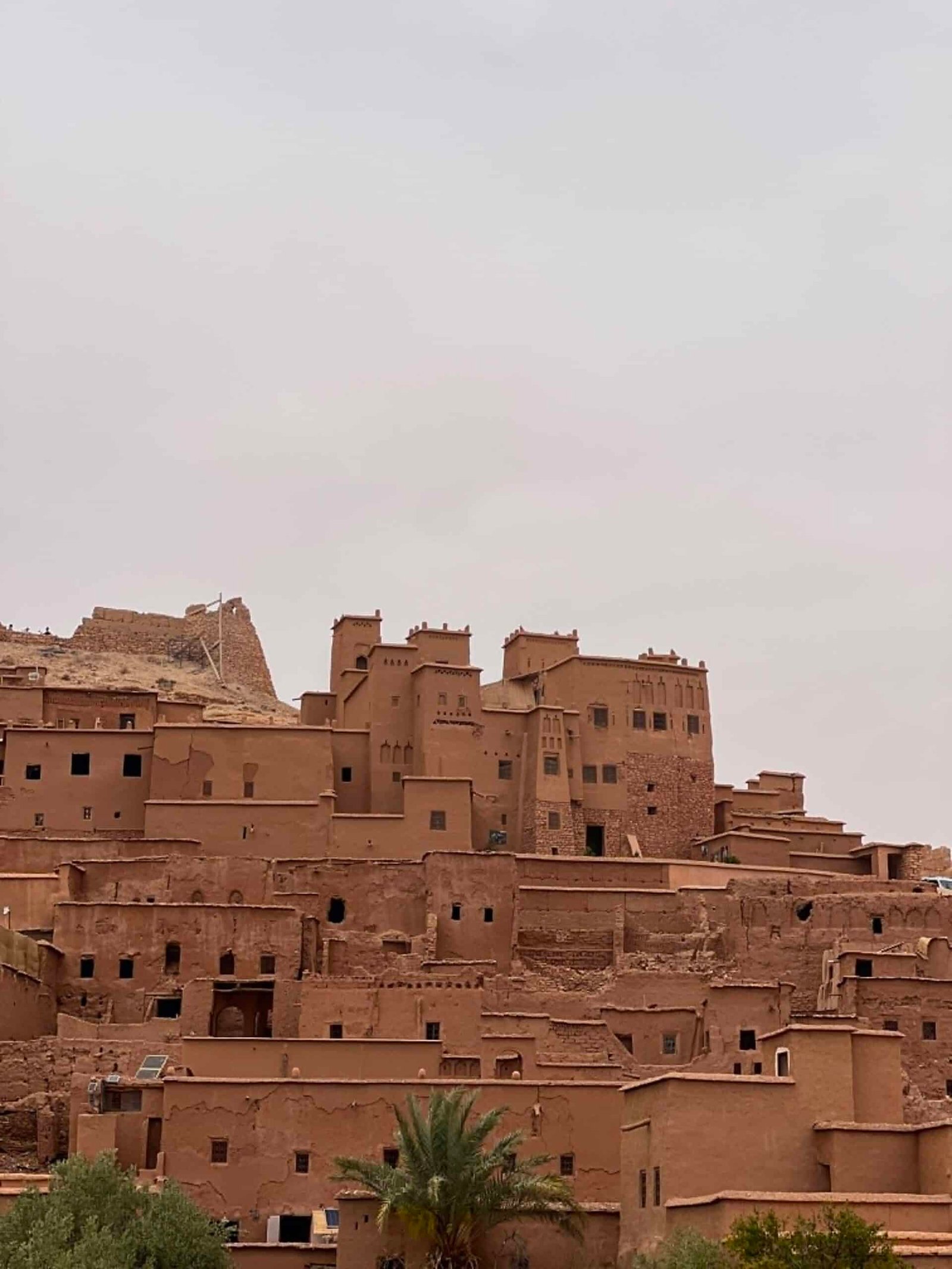
Taroudant province in Morocco is renowned for its impressive kasbahs and riads, which are integral components of the region’s architectural heritage. Kasbahs are fortified structures that once served as defensive strongholds against invasions. These magnificent buildings not only showcase the unique artistic style of Moroccan architecture but also reflect the historical significance of the area as a center of trade and culture. The most notable kasbahs, such as the Kasbah of Tioute, still exhibit their original grandeur with towering walls and intricately designed battlements, providing a glimpse into the region’s storied past. Many of these kasbahs are currently being preserved, serving dual purposes as historical sites and tourist attractions that help educate visitors on their importance.
Every kasbah reflects Morocco’s living heritage, preserving traditional architecture, craftsmanship, and the history of families who have lived within these walls for generations.
In contrast to the formidable kasbahs, the riads of Taroudant province offer an intimate glimpse into traditional Moroccan domestic architecture. Characteristically set around a central courtyard, riads are designed to promote privacy and tranquility, making them ideal resting places for cyclists after an invigorating day on the trails. The interiors are adorned with intricate tile work, ornate wooden ceilings, and lush gardens, creating a serene atmosphere that enchants visitors. Furthermore, these establishments exemplify authentic Moroccan hospitality, often providing traditional meals and personalized service that reflect the rich cultural heritage of the country.
The warmth of local hospitality is one of the finest expressions of Morocco’s living heritage, allowing visitors to experience traditions that have been passed down through countless generations.
As travelers cycle through Taroudant, they are not only engaging in an adventurous exploration of the landscape but also experiencing the architectural beauty that defines the region. The kasbahs stand as proud reminders of the past, while the riads offer a comfortable reprieve, seamlessly blending history with hospitality. Together, they create an inviting environment for those seeking to immerse themselves in Morocco’s living heritage.
The fortified kasbahs are among the finest examples of Morocco’s living heritage.
Immersing in Amazigh Culture
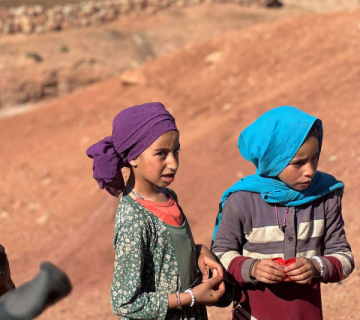
The Amazigh, commonly known as Berbers, have inhabited North Africa for thousands of years, and their rich culture offers a unique lens through which to experience the heart of rural Morocco. Visitors embarking on a gravel bike tour through Taroudant Province are rewarded with the opportunity to immerse themselves in this ancestral way of life, characterized by profound traditions, warm hospitality, and vibrant community dynamics.
The customs, language, music, and daily life of Amazigh communities form an essential part of Morocco’s living heritage, making every village visit an authentic cultural experience.
The family structure within Amazigh communities is often patriarchal, with a strong emphasis on kinship ties. Families tend to be large and closely knit, with responsibilities and roles well defined. Elders are revered, and their wisdom guides daily life decisions, from farming practices to community engagement. This sense of unity is palpable, as communal gatherings for storytelling and cultural events forge bonds among families and neighbors, adding color to the rural landscape.
Traditional farming practices play a critical role in sustaining the Amazigh lifestyle. Agriculture is often conducted in accordance with age-old methods that respect the land and its resources. Many Amazigh families cultivate olives, grains, and various fruits, adhering to sustainable practices that harmonize with their environmental surroundings. Additionally, the experience of participating in the weekly souks, bustling local markets, provides visitors with invaluable insights into local produce and crafts, emphasizing the importance of community trade.
A grand highlight of this cultural immersion is the preparation of food, particularly the baking of bread in clay ovens, known as “tabouna.” Tourists can engage in this traditional practice, where the rhythmic motions of kneading dough and the fragrant aroma of freshly baked bread create delightful, sensory experiences. Engaging with the Amazigh in these authentic settings assures visitors that they are witnessing—not simply observing—the living heritage that echoes through generations.
Traditional riads continue to protect Morocco’s living heritage through their architecture and hospitality.
The Music and Festivities of Taroudant
Taroudant Province, often referred to as the “grandmother of Marrakech”, is a vibrant tapestry of cultural expressions, with its music being a significant aspect of local heritage. Traditional Moroccan music, particularly the captivating rhythms of Amazigh music, plays a crucial role in both communal and personal celebrations, including weddings, harvest festivals, and spiritual events. The significance of this music lies not only in its ability to entertain but also in its function as a medium for storytelling and preserving the region’s history.
During weddings, music takes center stage, with performers typically donning colorful traditional attire. The sound of the bendir— a frame drum with a rich, resonant tone—fills the air, accompanied by the piercing melodies of the ribab, a string instrument that has been prevalent in Amazigh culture for centuries. These instruments are not just tools for melody; they serve as vessels for the emotions and traditions of the community. The communal aspect of music is paramount—friends and family gather to dance and sing, celebrating love and unity through rhythmic expressions.
Traditional music, handcrafted textiles, silver jewelry, and artisan workshops continue to celebrate Morocco’s living heritage, preserving skills and artistic traditions that define the country’s identity.
Beyond weddings, the harvest season brings with it a host of celebrations infused with music. Harvest festivals often see locals rejoicing in the bounty of their lands, with Amazigh musicians striking up festive tunes that encourage communal participation. The rhythms of these gatherings echo through the valleys, intertwining with the sounds of nature and enhancing the joy of community life.
Overall, the festivals in Taroudant are a confluence of music, dance, and cultural heritage. They not only showcase the rich musical traditions of the Amazigh people but also serve as a reminder of the deep connection between music, community, and indigenous cultural expression. Through these events, the essence of Taroudant’s living heritage is alive and resonant, binding together generations with their shared love for music.
The music, clothing, and craftsmanship found in Taroudant celebrate Morocco’s living heritage every day.
Agricultural Abundance in Taroudant Province
Taroudant Province, located in the Souss-Massa region of Morocco, is renowned for its rich agricultural landscape, characterized by a diverse array of crops and natural resources. The province’s climate and soil types contribute to the thriving production of various fruits, vegetables, and nuts. Among the most prominent are olive groves and the famed argan forests, which are not only vital to the local economy but also play a significant role in the cultural heritage of the area.
In Taroudant, olive cultivation has been a practice for centuries, with the province being one of the leading producers of high-quality olives and olive oil in Morocco. The vast expanses of olive trees, often planted using traditional methods, offer a glimpse into the sustainable agricultural practices that have been passed down through generations. This not only ensures the preservation of the environment but also supports the livelihoods of local farmers and their families.
The fertile valleys and ancient irrigation systems demonstrate how agriculture has become an enduring part of Morocco’s living heritage, sustaining communities for hundreds of years.
Additionally, the argan forests are another highlight of Taroudant’s biodiversity. These unique forests are home to the endemic argan tree, which produces argan nuts, a prized resource used for culinary and cosmetic purposes. Gravel biking through the regions that harbor these forests allows adventurers to appreciate the stunning landscapes and meet local farmers dedicated to sustainable practices. By interacting with these individuals, visitors gain insights into the challenges and triumphs they face in maintaining their agricultural heritage amidst modernity.
Engaging in a gravel bike tour not only unveils the beauty of Taroudant’s agricultural abundance but also emphasizes the importance of supporting sustainable farming practices. This form of tourism provides a unique opportunity for travelers to appreciate the hard work and dedication required to cultivate the land while simultaneously promoting environmental stewardship among local communities.
The Art of Craftsmanship in Taroudant
Taroudant, often referred to as the “little Marrakech,” serves as a focal point for a rich tradition of craftsmanship that has thrived for generations. This province is home to skilled artisans who meticulously create a variety of products, each reflecting the region’s cultural heritage. Among the most notable crafts are pottery, leatherwork, and weaving, all of which are rooted in age-old techniques.
The art of pottery in Taroudant stands out prominently. Potters use locally sourced clay to craft exquisite ceramics, which often feature intricate designs and vibrant colors. Visitors can observe artisans in action, getting a firsthand glimpse of the painstaking processes involved in shaping and firing these beautiful pieces. Workshops abound in Taroudant, allowing tourists to engage with these crafts, either by participating in pottery classes or simply admiring the craftsmanship on display.
Leatherwork is another defining craft in the region. Artisans skillfully transform hides into stunning leather goods, ranging from bags to belts, all while employing traditional methods passed down through generations. The bustling markets of Taroudant showcase these products, where one can purchase authentic leather items that not only reflect the region’s aesthetic but also support local craftspeople. Engaging with these artisans fosters a deeper appreciation for their work, highlighting the importance of preserving traditional crafts amidst a rapidly changing economy.
Weaving also plays a crucial role in Taroudant’s artisan scene. Many local families continue to create handcrafted textiles using time-honored techniques, often with vibrant patterns that tell stories of the region’s heritage. Workshops dedicated to weaving invite visitors to experience the craftsmanship firsthand, contributing to a cycle of preservation that empowers local artisans.
In conclusion, cycling through Taroudant not only provides breathtaking vistas but also establishes a vital connection between the cultural landscape and the preservation of traditional crafts. By participating in these artisan experiences, tourists contribute to the sustainability of Taroudant’s heritage.
Conclusion: A Call to Experience Morocco’s Heritage by Bike
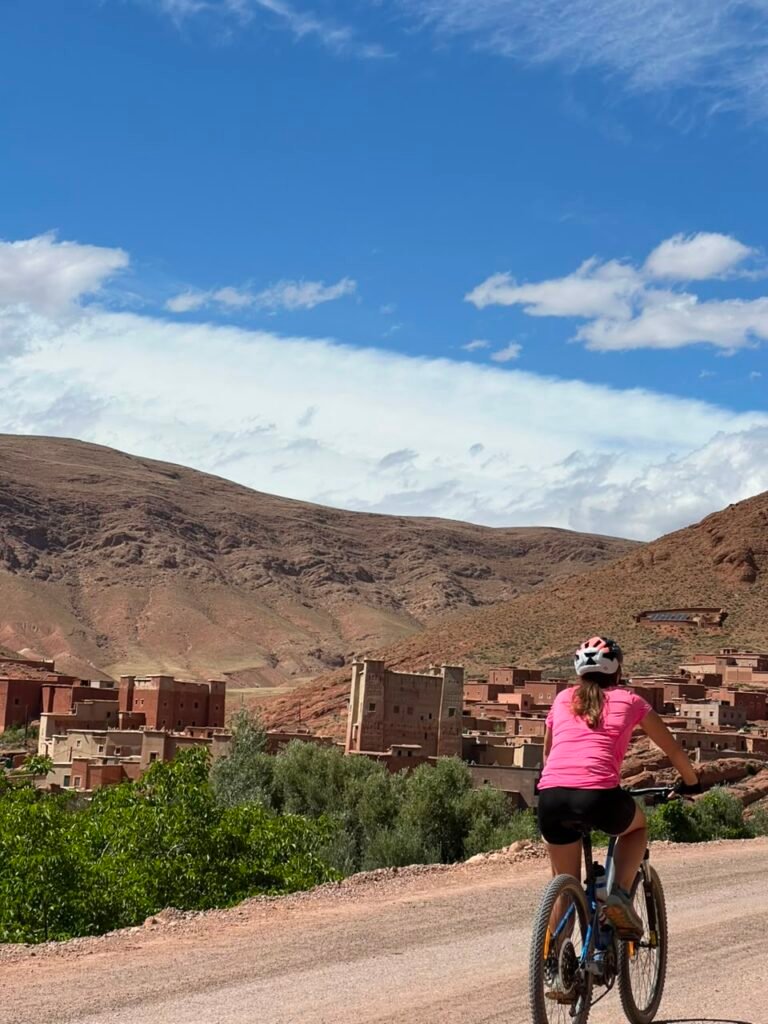
Gravel biking through the picturesque landscapes of Taroudant Province offers a distinctive way to engage with Morocco’s vibrant heritage. This journey is not merely about cycling; it is about connecting with the rich tapestry of history, culture, and community that defines this region. Riders have the unique opportunity to traverse ancient paths that echo stories of the past while witnessing the enduring traditions of the local populace.
The leisurely pace of a gravel bike tour allows for immersive experiences that fast-paced travel often overlooks. Each pedal stroke opens up doors to interactions with artisans, farmers, and families who welcome visitors into their world, providing insight into daily life that is often inaccessible to tourists. As cyclists navigate through lush valleys, olive groves, and mountainous terrains, they engage with the stunning natural beauty that surrounds them, transforming a simple biking excursion into an exploration of the senses.
Moreover, gravel biking fosters a deeper appreciation for the cultural heritage of Morocco. Riders can visit ancient kasbahs, taste local cuisine, and participate in time-honored traditions that have been preserved for generations. The slower rhythm allows for moments of reflection and gratitude, which are often lost in more conventional travel methods. In this way, the experience of biking becomes transformative, as travelers not only witness but also become part of the living heritage of Morocco.
In conclusion, embarking on a gravel bike tour in Taroudant Province is an invitation to discover the heart of Morocco. It is a call to those who seek adventure and cultural enrichment. Whether you are an experienced cyclist or a novice, this experience promises to create lasting memories and connections, making it an ideal way to appreciate the beauty and complexity of Morocco’s heritage. Embrace the call to explore by bike and uncover the stories that await along every trail.
A gravel bike tour through Taroudant Province is one of the most rewarding ways to discover Morocco’s living heritage. Every kilometer connects riders with centuries of history, authentic Amazigh culture, historic caravan routes, and remarkable landscapes.
Whether you are passionate about history, culture, or adventure, exploring Morocco’s living heritage by gravel bike offers an unforgettable journey through one of North Africa’s most authentic destinations.