Introduction to Backpacking in Morocco
Backpacking in Morocco is one of the most rewarding ways to discover the country’s diverse landscapes, welcoming people, and centuries-old traditions.
Embarking on a backpacking journey through Morocco is akin to opening the pages of an enchanting storybook. This fascinating North African country presents an exquisite blend of vibrant culture, diverse landscapes, and rich history that captivates the senses. As the sun rises over the Sahara, casting an otherworldly glow on the dunes, one cannot help but feel a surge of excitement and anticipation. My own adventure began with a simple backpack filled with essentials, coupled with a heart yearning for exploration and discovery.
What makes Morocco an ideal destination for backpacking is not just its stunning scenery, but also the warmth and hospitality of the Moroccan people. As I traversed bustling souks and stood in awe before majestic palaces, I encountered traditions that have flourished over centuries. Whether it was sipping sweet mint tea in a local café or negotiating for spices in a crowded marketplace, these interactions deepened my appreciation for the tapestry of life that constitutes Moroccan society.
However, embarking on a backpacking journey is not without its challenges. Navigating through winding alleyways in Marrakech or adapting to the rhythm of a new place can lead to unexpected hurdles. Fortunately, each obstacle transformed into a lesson—teaching resilience, adaptability, and the importance of being open to new experiences. These qualities are essential for any traveler, especially those adventurous souls ready to explore Morocco’s diverse offerings.
In the following sections, I will outline an 8-day itinerary that will guide you through Morocco’s hidden gems, ensuring an unforgettable experience. From the towering Atlas Mountains to the vibrant streets of Fez, each day promises unique encounters and breathtaking views while providing insight into the country’s rich heritage and cultural significance. Prepare to immerse yourself in a journey that celebrates the essence of backpacking in Morocco.
Day 1-2: Exploring Marrakech
Marrakech, often referred to as the “Red City,” presents a lively atmosphere that captivates every traveler. From the moment you arrive, the air buzzes with energy, enticing visitors into its maze of bustling souks and lively streets. The souks, with their vibrant colors and intricate crafts, are a feast for the senses. Here, one can find an array of goods ranging from handcrafted ceramics and rich textiles to delicate jewelry, all complemented by the warm aroma of spices wafting through the air.
As you wander through the narrow lanes, you are bound to encounter enthusiastic street performers showcasing traditional Moroccan music and dance. Their performances add an exciting layer to the city’s charm, inviting passersby to pause and enjoy the culture. These experiences are not just entertainment; they are a reflection of the local heritage, which remains alive in the heart of Marrakech.
When it comes to cuisine, Marrakech does not disappoint. Savor the delicious dishes that embody Moroccan culinary tradition, such as tagines, couscous, and the popular pastilla. The local street food scene is equally enticing, with stalls offering savory snacks like harira soup and fresh olives. Eating at local establishments allows you to immerse yourself in the culture and meet friendly locals who are eager to share their culinary secrets.
Your accommodation further enhances the experience of Marrakech. Staying in a traditional riad provides a glimpse into Moroccan architecture and hospitality. These quaint guesthouses often feature lush courtyards, intricate tilework, and cozy rooms, making them a perfect base for your adventures within the city. It is not uncommon to engage in heartfelt conversations with local hosts, who proudly share stories about their heritage and the city’s rich history.
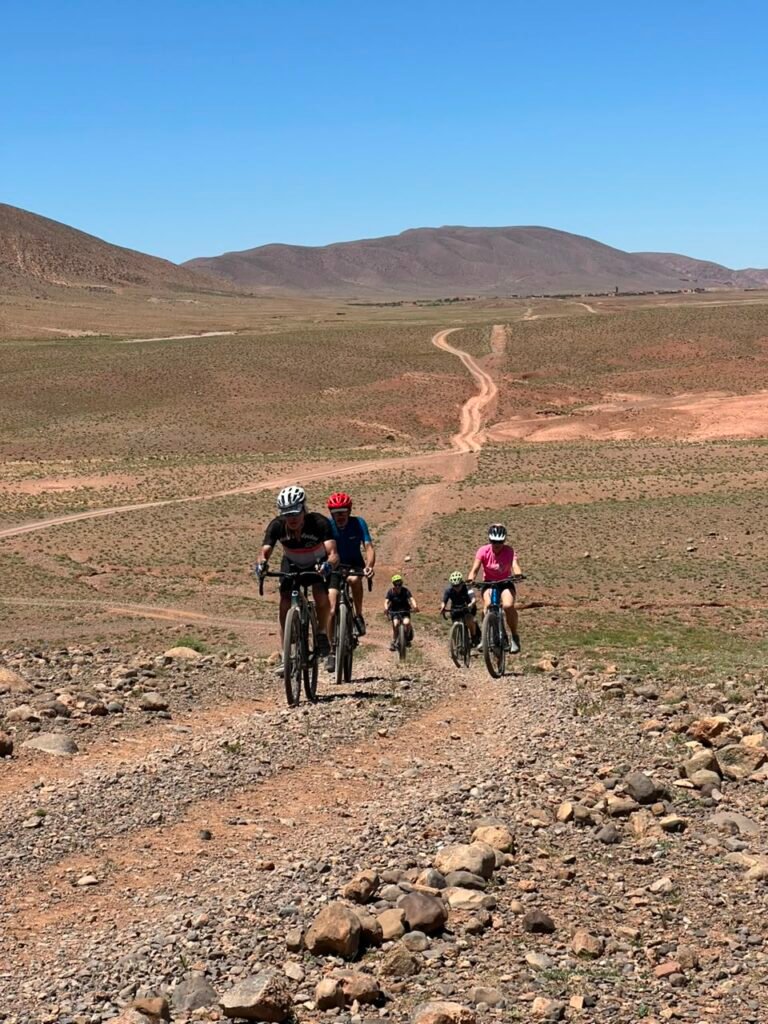
For many travelers, backpacking in Morocco reaches its most memorable moments while hiking through the breathtaking High Atlas Mountains.
Exploring the High Atlas Mountains
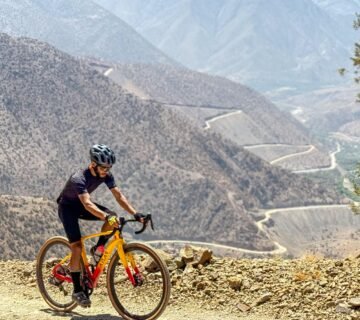
The High Atlas Mountains stand as an impressive natural barrier across central Morocco, characterized by breathtaking vistas, jagged peaks, and deep valleys that profoundly enchant those who embark on this journey. During Days 3 and 4 of our backpacking itinerary, adventurers can anticipate not only magnificent landscapes but also a vivid immersion into the rich cultural fabric of the Amazigh people, who have called this region home for centuries.
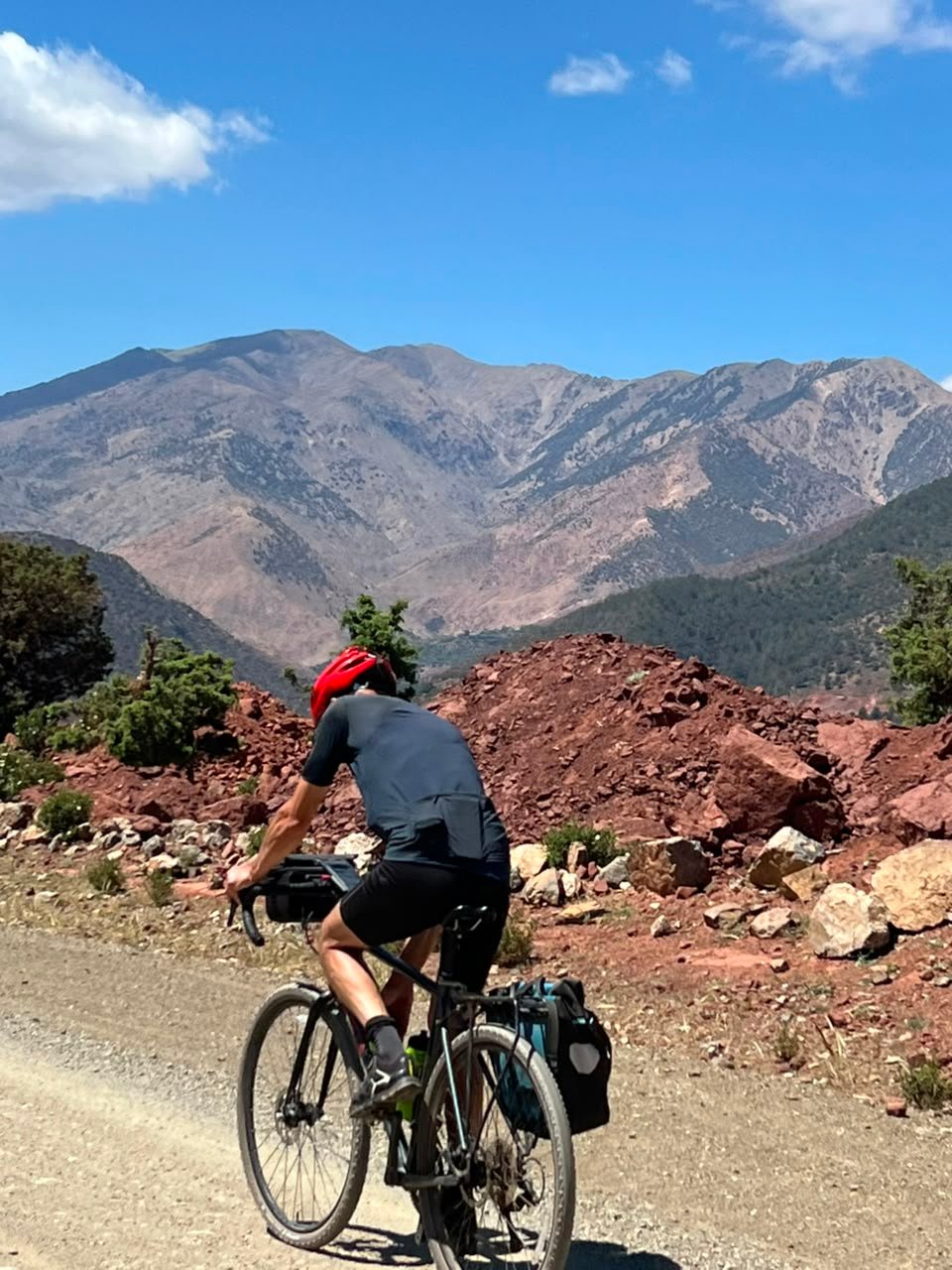
The journey begins with a hike through the mountains, winding past craggy ridges and lush valleys. Each step reveals an assortment of flora and fauna, including wildflowers that bloom vibrantly against the rocky terrain. As the path meanders through these majestic mountains, the crystal-clear rivers and streams add to the serene ambiance, providing moments of tranquility that contrast with the rugged environment.
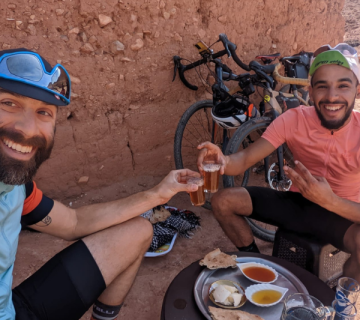
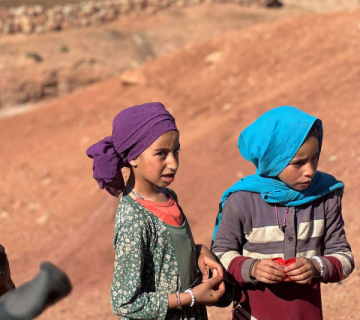
As one traverses this mountainous terrain, encounters with traditional Amazigh villages offer invaluable insights into their unique way of life. The warmth and hospitality of the local families are legendary; visitors are often welcomed with open arms and invited to share a cup of mint tea, a ceremonial gesture that signifies friendship and kindness. Sharing stories with these families not only enhances one’s understanding of their customs but also fosters a connection that transcends cultural divides.
During this segment of the trip, travelers can engage in various hiking trails, each offering a glimpse into the breathtaking surroundings and the distinct lifestyle of the Amazigh. These trails serve as conduits to explore hidden gems, such as ancient kasbahs and terraced farms, illustrating the harmonious relationship between the communities and their natural environment. The experience in the High Atlas Mountains is not merely a physical journey; it is a transformative exploration that deepens appreciation for both the majestic landscapes and the vibrant culture of the Amazigh people.
No backpacking in Morocco itinerary is complete without spending a night beneath the stars in the Sahara Desert.
Day 5-6: The Enchantment of the Sahara Desert
As your backpacking adventure unfolds, the journey into the Sahara Desert on Day 5 offers a captivating escape from the bustling cities of Morocco. The transition to the vast golden dunes feels like stepping into a different world, where the landscape stretches endlessly and the air is electric with anticipation. Setting off early in the morning, travelers embark on a camel trek that becomes the highlight of the day. These gentle giants, adorned in vibrant colorful saddles, provide a comfortable ride through the rolling sandscapes, allowing for a unique perspective of this ancient, mesmerizing environment.
Upon arrival at the desert camp, travelers are greeted with the warm hospitality of nomadic families, who provide insight into their simple yet profound way of life. These communities exemplify resilience and adaptability, sharing their traditions and stories that have been passed down through generations. As evening approaches, the desert sky transforms into a canvas of stars, creating a breathtaking backdrop for an unforgettable camping experience. Gathered around the fire, visitors partake in traditional music and storytelling that weave together the rich cultural tapestry of the Sahara.
The encounter with nomadic families highlights not only the importance of community and family in the desert but also showcases their sustainable relationship with the land. This unique lifestyle is characterized by a deep understanding of the environment and a commitment to preserving the natural resources that sustain them. Camping under the vast, starry sky offers a moment of reflection and connection, as one marvels at the immensity of the universe. The serenity of the desert nights lingers long after the embers fade, making it a cherished memory and innately part of the overall backpacking experience in Morocco.
One of the greatest highlights of backpacking in Morocco is experiencing the country’s rich culture through its traditions, cuisine, and local communities.
Morocco’s Rich Culture and Traditions
The captivating culture of Morocco is a mosaic of influences reflecting its diverse history, geographical location, and social fabric. Nestled at the crossroads of Europe, Africa, and the Arab world, Morocco showcases a rich blend of Berber, Arab, and French cultures that manifest in its traditions, language, and daily life. Travelers can immerse themselves in this vibrant culture by exploring the myriad of artisanal crafts that have been passed down through generations.
One of the most loved aspects of Moroccan culture is its handicrafts, which include exquisite pottery, intricate carpets, and finely crafted leather goods. Local markets, or souks, serve as focal points for these artisanal practices, where merchants display their colorful wares. In cities like Marrakech and Fes, visitors can witness traditional pottery being made using age-old techniques, with artisans shaping clay into beautiful, functional pieces. The craftsmanship evident in each piece tells a story, highlighting the artisans’ dedication and the cultural significance behind their work.
Additionally, Moroccan carpets represent another important element of the country’s cultural heritage. The unique designs reflect various regional influences and often incorporate vibrant patterns and colors. Tourists are encouraged to engage directly with carpet weavers, learning about the symbolism in their work and the lengthy process involved in creating these stunning textiles. In tandem with carpets, leather goods from Fez are renowned for their quality, with workshops where skilled craftspeople painstakingly create bags, shoes, and other accessories. These authentic encounters with artisans provide a deeper appreciation for the time-honored techniques and traditions that remain alive in modern-day Morocco.
Architecture in Morocco also mirrors its rich cultural tapestry, characterized by elaborate mosaics, intricate tile work, and grand courtyards in both residential and public buildings. The blend of functional design with artistic expression can be admired in historical monuments, palaces, and mosques, each offering insight into the aesthetic values and spiritual beliefs of Moroccan society. Thus, experiencing Morocco’s cultural vibrancy is essential for anyone looking to embrace the full breadth of what this enchanting country has to offer.
Savoring Moroccan Cuisine and Mint Tea Ceremonies
Moroccan cuisine is a rich tapestry of flavors, colors, and textures, reflecting its diverse cultural heritage and geographical influences. As you embark on your backpacking journey through Morocco, you will encounter a multitude of traditional dishes that are both tantalizing and unique. One of the most iconic dishes is tagine, a slow-cooked stew that typically combines meat, vegetables, and a variety of spices, showcasing the essence of Moroccan flavors. Whether it’s lamb with apricots or chicken with preserved lemons, each tagine tells a story of the region’s culinary depth.
Another must-try dish is couscous, often served as a side or a main course. In Moroccan tradition, it is steamed to perfection and frequently accompanied by a medley of vegetables and meat. Street food also plays an essential role in the Moroccan culinary scene, with stalls throughout vibrant medinas offering local delights such as harira (a hearty soup) and msemmen (flaky pancakes) that are best enjoyed with a side of zesty dipping sauces.
A quintessential aspect of Moroccan dining culture is the mint tea ceremony. This ritual emphasizes hospitality and communal sharing, where the host prepares the tea using gunpowder green tea, fresh mint, and generous amounts of sugar. The act of pouring the tea from a height into small glasses is not merely a practical step; it symbolizes the blending of flavors and the art of hospitality. Participating in this ceremony is a transformative experience, allowing travelers to immerse themselves in the local culture while enjoying a fragrant beverage that uplifts the spirit.
As you savor Moroccan cuisine and engage in mint tea ceremonies, you will not only delight your taste buds but also deepen your connection to the rich traditions that emphasize community and sharing in Moroccan society. Each meal shared will expand your understanding of the culture, leaving you with cherished memories of flavor and fellowship on your backpacking adventure.
Backpacking in Morocco is not only about mountains and deserts; the Atlantic Coast offers a completely different side of the country.
Adventures Along the Atlantic Coast
The Atlantic Coast of Morocco offers a vibrant tapestry of experiences that are as diverse as they are appealing. From the enchanting city of Essaouira to the surf haven of Taghazout, this region is a sanctuary for adventure seekers and those looking to immerse themselves in the vibrant coastal life. The ocean views are nothing short of breathtaking, providing a perfect backdrop for numerous recreational activities.
Essaouira, a UNESCO World Heritage site, is particularly renowned for its well-preserved medina and historic ramparts. The hearty seafood available in this coastal town is a highlight; visitors can indulge in freshly caught fish and shellfish at numerous local eateries, where the flavours of the Atlantic are expertly showcased. The atmosphere is further enriched by the sounds of waves crashing against the cliffs, allowing for a truly soothing dining experience.
For those inclined toward more active pursuits, Taghazout is a premier destination for surfers of all skill levels. The beach town features a variety of surf spots that cater to both beginners and seasoned surfers. Here, the gentle swells and favourable weather conditions make it an ideal location for surfing year-round. Surf schools offer lessons and equipment rental, ensuring novices can embrace the thrill of riding the waves. Beyond surfing, visitors can partake in yoga sessions on the beach at sunrise, enhancing their connection with nature.
The sunsets along the Atlantic Coast are spectacular, painting the sky in hues of orange and pink as the sun dips below the horizon. These serene moments call for reflection and relaxation, a contrast to the bustling cities found inland. The laid-back lifestyle of the coastal regions provides a welcome retreat for backpackers looking to unwind and recharge. In essence, the Atlantic Coast of Morocco presents an array of adventures that beautifully blend leisure with exhilarating activities, making it a must-visit on any backpacking itinerary.
If you’re planning backpacking in Morocco, careful preparation will help you enjoy a smoother and more rewarding adventure.
Practical Backpacking Guide to Morocco
Backpacking in Morocco offers a unique blend of vibrant culture, diverse geography, and rich history, making it an exciting destination for travelers. The best times to visit Morocco are during the spring (March to May) and fall (September to November) months when the temperatures are moderate and the landscapes are particularly beautiful. Avoiding the peak summer months is advisable, as the heat can be intense, especially in desert areas.
Transportation options in Morocco are varied. Buses offer a cost-effective way to travel between major cities, with companies like CTM and Supratours providing good service. For shorter distances, shared taxis are also a popular choice. In cities, public transport, taxis, and bicycles can be useful, though it may be helpful to familiarize oneself with local routes.
When it comes to budget accommodations, Morocco boasts a range of options from hostels to guesthouses or “riads”. These establishments not only provide affordable stays but also offer a chance to immerse oneself in local culture. Sites like Hostelworld or Booking.com can assist in securing budget-friendly lodging in advance.
Travel safety is paramount; travelers should remain vigilant, particularly in crowded areas. It is advisable to keep valuables secure and be aware of one’s surroundings. Additionally, dressing modestly helps to show respect for local customs and traditions. Greeting locals courteously and learning a few phrases in Arabic or French can enhance interactions and contribute positively to cultural exchanges.
Packing wisely is essential for backpacking in Morocco. Light, breathable clothing is crucial, but layers are necessary for cooler evenings, especially in mountainous regions. Include a reusable water bottle to stay hydrated and reduce plastic waste. Engaging in responsible tourism, such as respecting wildlife and supporting local businesses, enhances the travel experience and promotes sustainability. Solo travelers should consider joining group tours or social initiatives to connect with other travelers while ensuring personal safety.
Every day of backpacking in Morocco brings unforgettable moments, from meeting Amazigh families to watching spectacular desert sunsets.
Conclusion: The Life-changing Experience of Backpacking in Morocco
Backpacking in Morocco is not merely a travel experience; it is a transformative journey that touches the heart and soul. Throughout the eight-day itinerary, travelers encounter the rich tapestry of Moroccan culture, from the hustle and bustle of souks in Marrakech to the serene beauty of the Sahara Desert. This immersive experience fosters a profound connection with the land and its people, evoking emotions and insights that resonate long after the trip has concluded.
The personal growth that accompanies backpacking in Morocco is multifaceted. As travelers navigate through diverse landscapes and cultures, they are often pushed out of their comfort zones. Whether it is bargaining in a local market or sharing a meal with a family in the Atlas Mountains, these moments encourage self-discovery and resilience. The challenges faced along the way become milestones of achievement, enabling individuals to gain confidence and independence.
Moreover, the cultural connections forged during this expedition are invaluable. Engaging with local communities offers a unique perspective on Moroccan traditions, cuisine, and lifestyle. Such interactions enrich the travel experience, highlighting the importance of understanding and appreciating different cultures. The friendships and memories created during these exchanges can last a lifetime, reminding travelers of the kindness and warmth of the Moroccan people.
Ultimately, embarking on a backpacking adventure in Morocco promises not just exploration, but the opportunity to create cherished memories. From the vibrant markets of Fez to the breathtaking vistas of the Atlas Mountains, every moment contributes to a mosaic of once-in-a-lifetime experiences. For those seeking adventure, cultural immersion, and personal growth, venturing into Morocco’s mesmerizing landscapes is a journey worth taking. It invites each traveler to discover the profound impact that exploration can have on one’s life, inspiring many to share their own stories upon returning home.
Backpacking in Morocco is more than an adventure—it’s a journey through history, culture, and breathtaking landscapes that will stay with you long after you return home.