Morocco Cycling Tours offer a unique way to discover the country’s rich history, vibrant culture, imperial cities, ancient kasbahs, and spectacular mountain landscapes. From the first Moroccan dynasties to modern-day adventures, cycling across Morocco reveals centuries of heritage and unforgettable experiences.
Morocco Cycling Tours Through 12 Centuries of History
Morocco’s rich history spans over twelve centuries, weaving a complex tapestry that reflects the country’s cultural, religious, and architectural evolution. The inception of this historical narrative is marked by the establishment of the Idrisid dynasty in the 8th century. This dynasty is widely regarded as the foundation of the first Moroccan Islamic state, laying the groundwork for Morocco’s future political landscape and cultural identity.
Morocco Cycling Tours offer one of the most immersive ways to discover the country’s fascinating history, diverse landscapes, and vibrant culture.
Following the Idrisids, several influential dynasties emerged, each contributing significantly to Morocco’s historical development. The Almoravids, who ruled in the 11th century, were instrumental in expanding the Islamic empire and promoting religious orthodoxy. They established some of the first significant trade routes across the Sahara, bolstering economic growth and connectivity within the region.
The Almohads succeeded the Almoravids in the 12th century, emphasizing a more puritanical interpretation of Islam. They played a crucial role in the unification of North African territories and are known for their architectural masterpieces, including the Koutoubia Mosque in Marrakech, which reflects their dedication to monumental construction.
Another significant dynasty, the Marinids, came to power in the 13th century and fostered a golden age of literature and science, contributing to a revitalization of Moroccan culture. Following them, the Saadians ruled in the 16th century, achieving notable military successes and promoting arts and architecture, notably through the construction of the splendid El Badi Palace in Marrakech.
Lastly, the Alaouites, who have been the ruling dynasty since the 17th century, helped shape modern Morocco, transitioning the nation through colonial challenges and into current-day governance while safeguarding its diverse heritage.
Dynastic Influence on Morocco’s Culture
Morocco’s cultural tapestry has been intricately woven through the influences of various dynasties, each contributing to the nation’s rich history and diverse traditions. The first significant dynasty, the Idrisids, established in the 8th century, laid the groundwork for the Islamic faith in Morocco. Their embrace of Arab culture solidified the integration of religion into Moroccan society, fostering a sense of unity that resonates in modern-day practices.
Many Morocco Cycling Tours follow ancient trade routes that once connected imperial cities, mountain villages, and desert caravan settlements.
The subsequent Almoravid and Almohad dynasties played crucial roles in enhancing trade and architectural innovation. The Almoravids, for instance, not only expanded the territory but also established crucial trading routes across North Africa and into Europe. This period saw the construction of impressive structures like the Koutoubia Mosque, influencing architectural styles that are still prevalent in Moroccan urban design today. Their Sufi influences also enriched religious practices, integrating spirituality into daily life.
The Marinid dynasty further advanced Moroccan culture by fostering the arts and scholarly pursuits in the 13th century. The establishment of educational institutions during this time paved the way for intellectual developments; today, many Moroccan customs, ranging from literature to craftsmanship, can be traced back to this era of enlightenment.
As the Saadian and Alaouite dynasties emerged, additional cultural vibrancy was infused into Moroccan life. The Saadians, known for their architectural feats, added intricate tile work and ornamental detailing, a hallmark of Moroccan aesthetics that continues to capture the imagination of visitors. Meanwhile, the Alaouite dynasty, which remains in power today, has further enriched Morocco through its commitment to preserving traditions while encouraging modernization.
Thus, the dynastic influences throughout Moroccan history are not merely relics of the past but active components of contemporary life. Their contributions to trade, religion, art, and social structure remain evident, allowing for a culture that is both deep-rooted and dynamic.
Architectural Wonders: A Legacy of Dynasties
Morocco’s architectural heritage is a testament to its rich history and the diverse influences of its various dynasties. Each period has contributed uniquely to the nation’s skyline, creating a mosaic of styles that reflect the cultural and political evolution of the region. The architectural wonders of Morocco range from impressive palaces to exquisite mosques and formidable fortifications, each embodying the distinctive features and building techniques characteristic of their respective eras.
The growing popularity of Morocco Cycling Tours comes from their unique combination of adventure, history, and authentic cultural encounters.
In cities such as Fez, the influence of the Idrisid dynasty can be seen in the stunning architecture of the Bou Inania Madrasa, which showcases intricate tile work, elegant wood carvings, and sophisticated marble designs. This educational institution, built in the 14th century, serves as a prime example of Islamic architecture and reflects the intellectual pursuits valued during that time. The meticulous craftsmanship evident in the madrasa is a hallmark of the period, with its delicate wooden minbars and ornate stucco decorations demonstrating both artistic flair and functional purpose.
Moving to Marrakech, the legacy of the Almoravid and Almohad dynasties is vividly illustrated through the Koutoubia Mosque, renowned for its magnificent minaret that stands as a symbol of the city. The mosque’s architectural design features a harmonious blend of simplicity and elegance, employing local materials that highlight the beauty of the region. Additionally, the red ochre walls of the city’s medina reflect the fortified structures built during the height of the dynasties, emphasizing both grandeur and defensive capabilities.
As visitors explore these architectural marvels, they gain insight into the cultural values, technological advancements, and artistic expressions that have shaped Morocco’s identity over centuries. The continuing preservation and appreciation of such landmarks not only honor the legacy of past dynasties but also serve as a source of pride and inspiration for future generations.
Morocco’s Imperial Cities: A Journey Through cycling Time
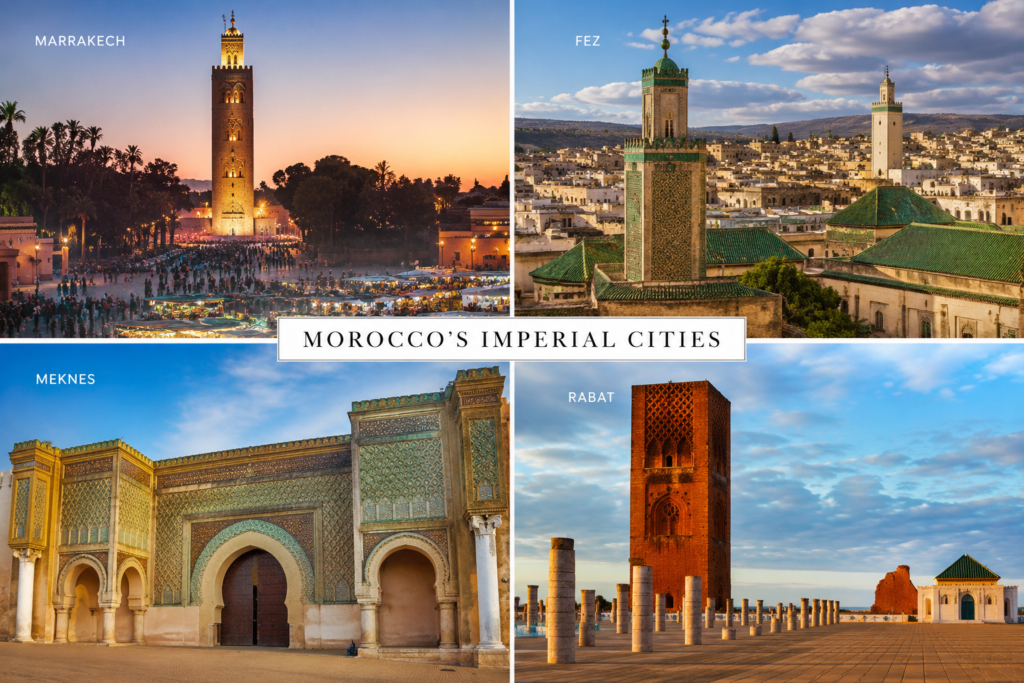
Morocco is home to four revered imperial cities — Fez, Marrakech, Meknes, and Rabat — each embodying distinct aspects of the country’s rich history and culture. These cities serve as a testament to Morocco’s evolution, showcasing a blend of architectural marvels, vibrant traditions, and significant historical events that have shaped the nation.
Fez, known as the intellectual heart of Morocco, boasts the world’s oldest university and is revered for its medina, a UNESCO World Heritage site. The intricate alleys of Fez el-Bali are filled with historical landmarks, including the Bou Inania Madrasa and the iconic Al Quaraouiyine Mosque. The city reflects the cultural and scholarly advancements of the 9th century and remains a hub for traditional crafts and education.
Marrakech, often referred to as the “Red City,” captivates visitors with its bustling souks, exquisite palaces, and the vibrant Jemaa el-Fnaa square. The Koutoubia Mosque stands as a symbol of the city, representing the architectural prowess of the Almohad period. Marrakech’s vibrant atmosphere and rich history have made it a cherished destination for both locals and travelers.
Unlike traditional sightseeing holidays, Morocco Cycling Tours allow travelers to experience local life at a slower pace while exploring historic regions
Meknes presents a more tranquil take on Morocco’s imperial heritage, characterized by its grand gates and the lavish architecture of the Moulay Ismail Palace. The city played a pivotal role during the reign of Sultan Moulay Ismail in the 17th century, whose ambition led to the construction of monumental buildings and the expansion of the city’s walls.
Finally, Rabat, the modern capital, harmonizes tradition with contemporary life. The city’s historical sites, such as the Kasbah of the Oudayas and the Hassan Tower, along with its political significance, demonstrate the enduring legacy of the imperial cities in contemporary Morocco.
The Role of Trade in Shaping Morocco’s History
Trade has been a critical component in the evolution of Morocco’s rich history, significantly influencing its cultural and economic landscape. The strategic geographical location of the country, situated at the crossroads of Europe and Africa, facilitated the establishment of numerous trade routes, enabling interactions between diverse cultures and communities. During the flourishing years of the Trans-Saharan trade, traders traversed vast and challenging deserts, linking sub-Saharan Africa with the Mediterranean coast. This trade was not limited to goods such as salt, gold, and textiles; it also led to the exchange of ideas, philosophy, and religious beliefs, which helped shape the country’s identity.
The Mediterranean trade routes further contributed to Morocco’s significance as a trading hub. With ports such as Essaouira and Tangier serving as focal points for maritime commerce, the influx of merchants from different regions fostered cultural exchanges. This environment of diversity not only enhanced the local economy but also enriched Moroccan society, as artisans and craftsmen adopted and innovated on foreign techniques, leading to distinctive art forms that are evident in contemporary Moroccan culture.
Additionally, the spread of Islam throughout the region was significantly propelled by trade interactions. As traders moved through these routes, they bore not just merchandise but also religious ideologies, which were embraced by various communities. This amalgamation of cultures contributed to the establishment of powerful dynasties, such as the Almoravids and Almohads, who utilized trade as a tool for political power and territorial expansion.
The best Morocco Cycling Tours pass through imperial cities such as Fez, Marrakech, Meknes, and Rabat, each offering a unique chapter of Moroccan history.
In observing Morocco’s historical narrative, it becomes clear that trade was not merely a means of economic prosperity; it was an invaluable force that sculpted the cultural and social fabric of the nation. The legacy of these trade routes continues to resonate in today’s vibrant Moroccan culture, with festivals and marketplaces serving as reminders of this rich history.
Connecting History and Culture with Modern Adventures
Morocco, a land steeped in history and culture, offers a unique backdrop for cycling enthusiasts seeking to explore its rich heritage through modern adventure sports. As one pedals through this diverse landscape, the ability to connect with historical routes provides a profound sense of discovery. From the winding paths of ancient trade routes to vibrant city streets, cyclists can traverse an array of terrains that reflect Morocco’s storied past.
One of the most fascinating aspects of cycling in Morocco is the opportunity to visit well-preserved medinas, which are often UNESCO World Heritage sites. These ancient urban areas, characterized by narrow alleys and bustling souks, invite cyclists to immerse themselves in the local culture. As they navigate through these historical gems, riders can stop to interact with artisans, sample traditional cuisine, and witness daily life as it has been for centuries. The architectural splendor of landmarks like the Koutoubia Mosque in Marrakech or the Royal Palace in Fes becomes even more impactful when approached by bike, allowing for a more intimate experience.
Furthermore, cycling along Morocco’s coastal routes or through the High Atlas mountains grants adventurers a glimpse into significant historical sites. Landmarks such as the ancient ruins of Volubilis or the Kasbahs scattered throughout the countryside tell stories of the past. These explorations not only enrich the cycling experience but also foster a deeper appreciation for the cultural narratives that have shaped modern Morocco.
For cyclists interested in culture, Morocco Cycling Tours provide opportunities to visit ancient medinas, kasbahs, and UNESCO World Heritage Sites.
Ultimately, cycling in Morocco is not just a physical activity; it is a pathway to understanding the interwoven fabric of history and culture. By tracing the trails that wind through cities and countryside alike, cyclists can witness firsthand how the past contributes vibrantly to contemporary life, creating a unique blend of adventure and cultural exploration that defines the Moroccan experience.
Exploring Ancient Medinas and Kasbahs by Bike
Morocco, a land steeped in history, offers a myriad of opportunities for cycling enthusiasts to explore its ancient medinas and kasbahs. Numerous routes weave through the vibrant streets of historical cities, providing cyclists not only with a workout but also an immersive cultural experience. For those looking to delve into the rich tapestry of Moroccan heritage, certain biking trails stand out for their scenic beauty and historical significance.
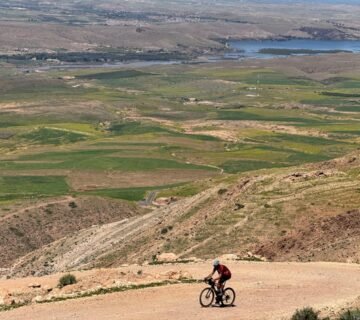
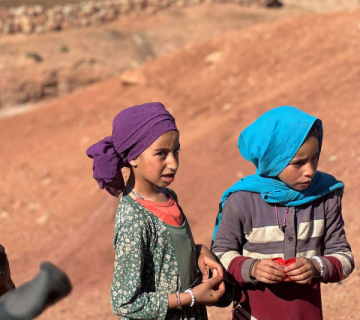
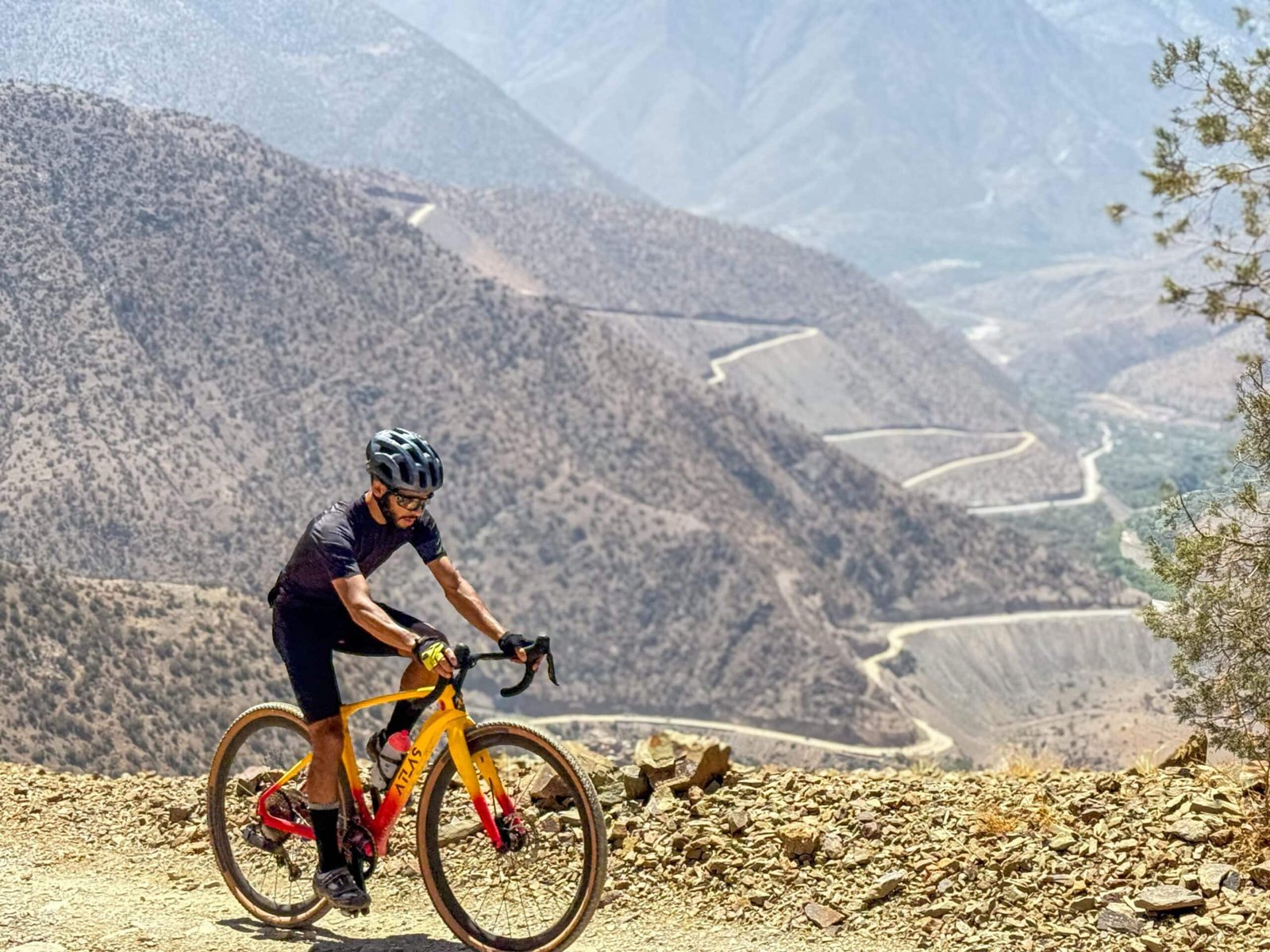
Many Morocco Cycling Tours cross the High Atlas Mountains, where riders can discover traditional Amazigh villages and spectacular landscapes.
One of the most iconic routes is the tour through the medina of Fez. Known as one of the world’s largest car-free urban areas, the winding narrow alleys invite cyclists to navigate through a maze of souks, artisan workshops, and historical buildings. Each turn reveals a new site, from the stunning Bou Inania Madrasa to the bustling tanneries, presenting an opportunity to engage with local artisans and their crafts. Riders should prepare for some sections on foot, as the pathways can become quite narrow.
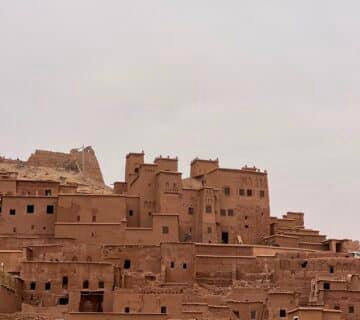
Another notable cycling journey is the ride to the Ait Benhaddou kasbah, a UNESCO World Heritage site. Situated along the former caravan route, this ancient village is renowned for its earthen clay architecture. The route provides breathtaking views of the surrounding Atlas Mountains and the Ouarzazate region. Cyclists will enjoy traversing picturesque landscapes and can take breaks to savor local delicacies in nearby villages.
Additionally, the coastal city of Essaouira presents a unique biking trail along its ancient ramparts. Here, riders can absorb the coastal breeze while enjoying views of the Atlantic Ocean and the historic medina, rich with cultural influences from various civilizations. This experience encapsulates the essence of Morocco’s ancient past juxtaposed with its vibrant present.
Ultimately, cycling through Morocco’s ancient medinas and kasbahs offers a profound connection to the country’s rich history and dynamic culture, showcasing the best of what this enchanting destination has to offer.
Discovering UNESCO World Heritage Sites Through Cycling
Morocco is renowned for its rich history and striking cultural legacy, with numerous sites designated as UNESCO World Heritage Sites. These sites present a unique opportunity for cyclists to explore significant landmarks that reflect the country’s diverse heritage. Embarking on cycle tours not only allows adventurers to immerse themselves in the stunning landscapes but also to delve into the historical narratives encapsulated within these revered locations.
One of the most famous UNESCO World Heritage Sites is the ancient city of Meknes, renowned for its grand architecture and impressive gates. As cyclists ride through the well-preserved medina, they can appreciate the intricate craftsmanship of the Bab Mansour gate and the historical significance of the royal granaries. Exploring Meknes on two wheels offers an intimate way to connect with Morocco’s past, making it a highlight for those interested in cultural history.
Another remarkable site is the city of Essaouira, a coastal town celebrated for its fortifications and vibrant arts scene. The medina, with its whitewashed buildings and blue accents, becomes even more enchanting when experienced on a bike. Here, cyclists can discover local artisans, taste traditional cuisine, and learn about the maritime trade that shaped the city’s development. The breezy coastal roads also provide a refreshing backdrop for leisurely rides filled with scenic beauty.
Moreover, the historic city of Fez, home to one of the world’s oldest universities, presents an opportunity to explore the roots of education, philosophy, and art in Morocco. The labyrinthine streets of its medina offer a thrilling adventure for cyclists, with hints of the past around every corner. Engaging with local culture, from visiting ancient mosques to interacting with artisans, enriches the cycling experience, making history come alive.
Embarking on a Cycling Adventure: Tips for Travelers
Exploring Morocco by bicycle offers a unique opportunity to immerse oneself in the country’s rich history and vibrant culture. Preparation is key to ensuring a successful cycling adventure. Firstly, research the regions you plan to visit, as Morocco features diverse landscapes ranging from coastal plains to mountainous terrains. Each region presents its own distinct historical and cultural significance, enriching the cycling experience.
When selecting gear, prioritize a comfortable and reliable bicycle suited for various terrains. Hybrid or touring bikes are excellent choices for their versatility, enabling you to navigate both rugged trails and urban roads with ease. Additionally, make sure to equip yourself with essential accessories such as a high-quality helmet, cycling gloves, hydration packs, and a first-aid kit. Proper clothing is also paramount; lightweight and moisture-wicking materials are recommended, as temperatures can vary dramatically.
Consider joining one of the many guided biking tours available throughout the country. These tours often provide in-depth knowledge of Morocco’s history and culture while ensuring your safety on the road. Popular routes include transitioning from the mountainous regions of the Atlas to the sand dunes of the Sahara, allowing for a remarkable blend of outdoor activity and cultural exploration.
Safety should always be a priority while cycling in Morocco. Stay vigilant on the roads, particularly in urban areas, as traffic can be unpredictable. It is also advisable to cycle during daylight hours and avoid isolated paths, particularly in less populated regions. Lastly, having a reliable map or GPS can greatly enhance your navigation through diverse landscapes.
To maximize your experience, engage with local communities along your route. Whether it’s stopping at a village to share a meal or learning about traditional crafts, these interactions can significantly enrich your journey, making it both an adventure and an educational experience.