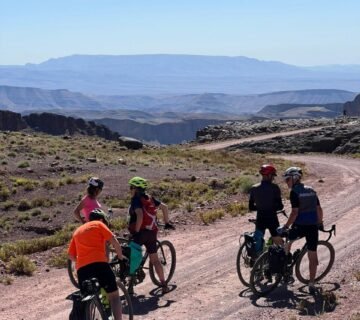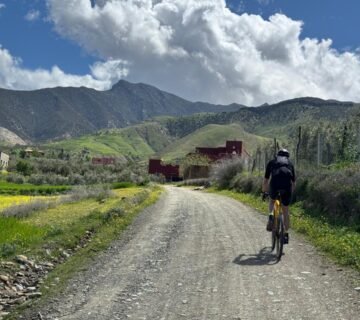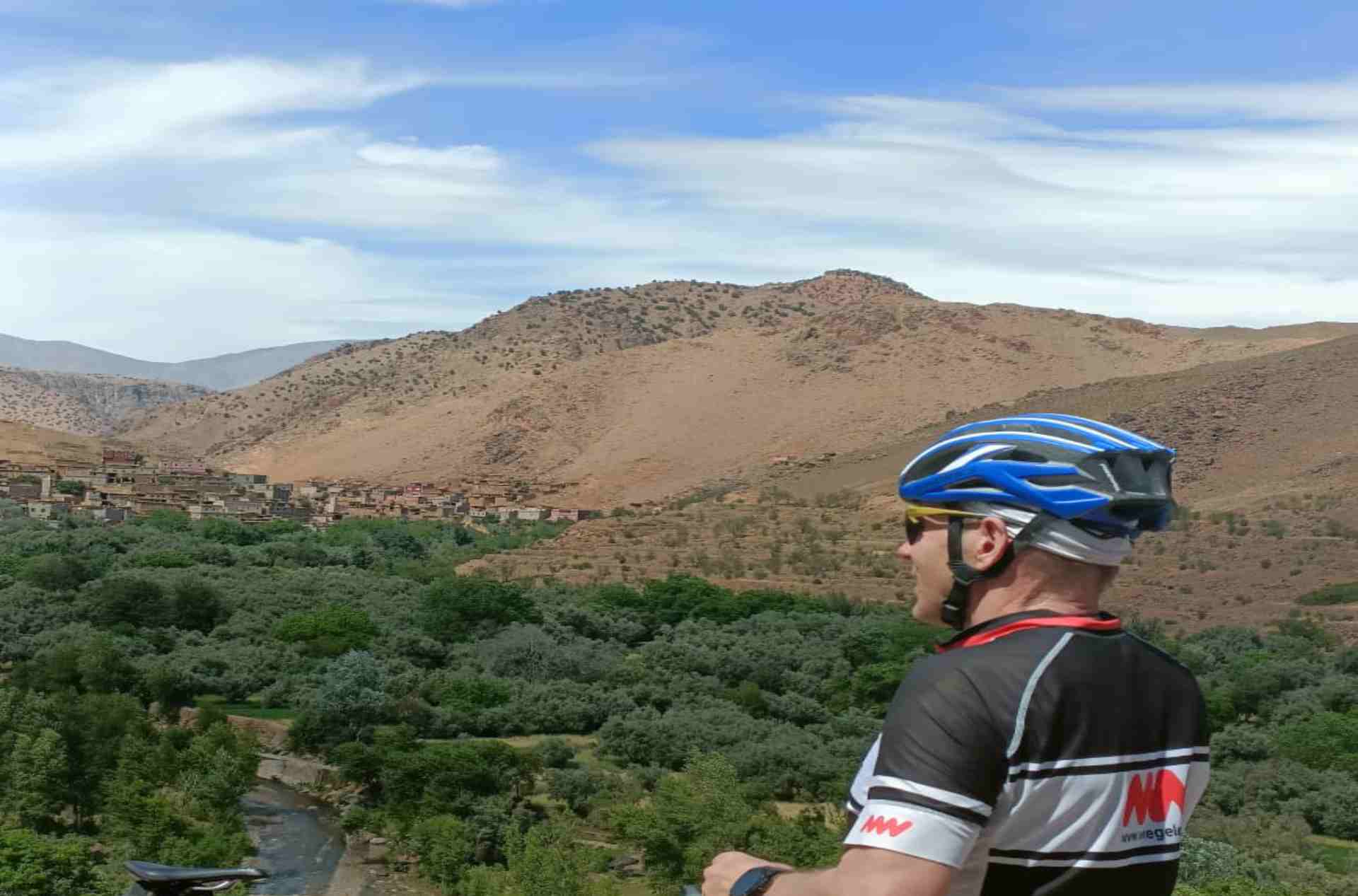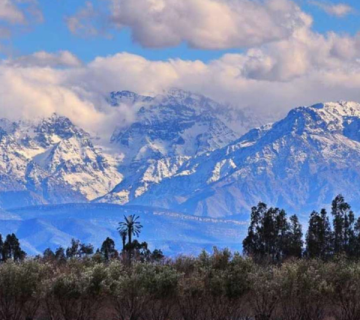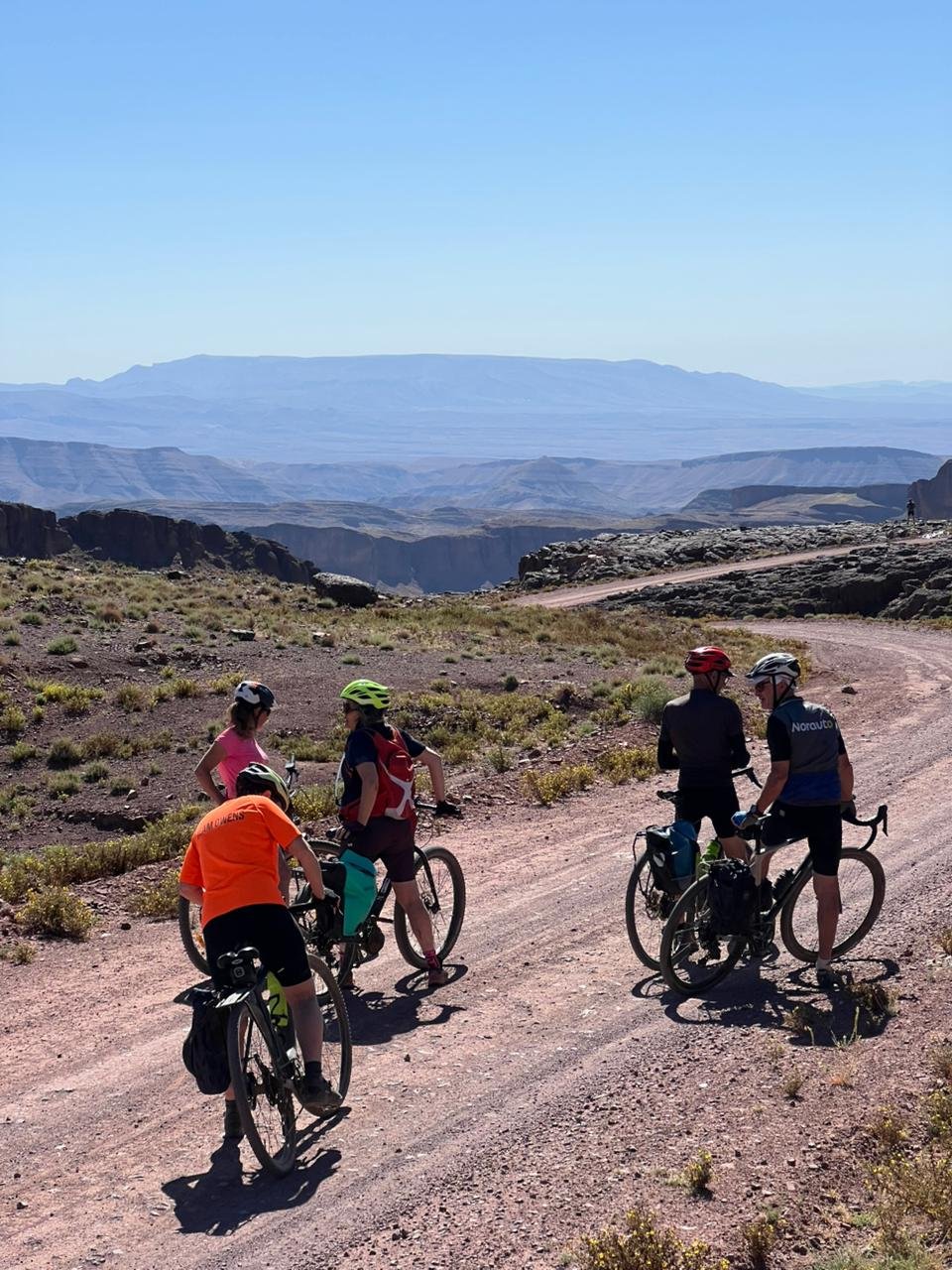
Morocco has become one of the most exciting destinations in the world for adventure cycling. With its dramatic mountain ranges, vast desert landscapes, ancient trade routes, and welcoming local culture, the country offers an incredible playground for gravel riders.
Among the many cycling experiences Morocco offers, few compare to a gravel bike adventure from Marrakech to the Sahara Desert. This journey takes riders through the heart of the country, crossing the rugged Atlas Mountains, exploring remote valleys and historic caravan paths, and finally reaching the golden dunes of the Sahara.
This route is not only about cycling distance or elevation gain. It is about experiencing Morocco in its most authentic form. Riding through small villages, quiet mountain roads, and open desert landscapes allows travelers to discover parts of the country that most visitors never see.
For cyclists looking for a true Morocco gravel bike tour, this adventure represents the perfect combination of cultural discovery, scenic landscapes, and unforgettable riding.
Why Morocco is One of the Best Gravel Cycling Destinations
In recent years, Morocco has gained international attention among cyclists and bikepacking travelers. The country offers an incredible diversity of terrain that makes it ideal for gravel biking and adventure cycling.
Within just a few days of riding, cyclists can experience several completely different environments. High mountain passes give way to lush valleys, rocky plateaus transition into desert landscapes, and historic caravan routes connect remote villages scattered across the countryside.
The Atlas Mountains play a particularly important role in Morocco’s cycling scene. These mountains form a natural barrier between the northern plains and the deserts of the south. Crossing them by bike is both challenging and deeply rewarding.
What makes Morocco even more special is the hospitality of the people. Travelers often find themselves welcomed with a glass of mint tea or a friendly greeting from villagers along the route. These human encounters add an unforgettable dimension to any cycling journey.
For riders searching online for a Morocco gravel bike tour, this combination of landscapes, culture, and adventure makes the country truly unique.
Starting the Journey in Marrakech
Most cycling journeys in southern Morocco begin in the historic city of Marrakech, one of the most iconic destinations in North Africa.
Known as the Red City because of its warm-colored buildings and ancient walls, Marrakech has been a center of trade and culture for centuries. Travelers exploring the historic Medina of Marrakech quickly discover a maze of narrow streets filled with vibrant markets, traditional workshops, and hidden riads.
At the heart of the city lies Jemaa el-Fnaa, the famous square where musicians, storytellers, and street food vendors create one of the most lively atmospheres in the world.
For cyclists preparing to ride south, Marrakech represents the last moment of urban energy before entering the quiet landscapes of the Atlas Mountains. Within a few hours of leaving the city, the bustling markets fade behind you and the road begins to climb into the mountains.
Cycling into the Atlas Mountains
The first major challenge of a cycling Morocco Atlas Mountains adventure is crossing the impressive High Atlas Mountains.
These mountains are the highest range in North Africa and offer some of the most spectacular scenery in the country. Winding roads lead upward through dramatic landscapes of rocky peaks, deep valleys, and traditional Amazigh villages.
One of the most famous mountain crossings is the Tizi n’Tichka Pass, which reaches more than 2,200 meters above sea level. From the top, cyclists can enjoy breathtaking panoramic views across the rugged Atlas terrain.
For centuries this pass served as one of the main routes connecting Marrakech with the desert regions of southern Morocco. Traders, travelers, and caravans all crossed these mountains long before modern roads existed.
Today, riding this route by gravel bike offers cyclists the chance to experience that same historic connection between mountain and desert.
Discovering the Kasbah Route
Beyond the Atlas Mountains lies one of the most culturally rich areas of Morocco, often called the Route of a Thousand Kasbahs.
This region is famous for its historic fortresses, many of which were built to protect the caravan routes that once connected the Sahara with Morocco’s imperial cities.
One of the most impressive sites along this route is Ait Benhaddou, a stunning fortified village constructed entirely from traditional clay and earth. The village rises dramatically above the surrounding landscape and has remained remarkably well preserved for centuries.
Its unique architecture has also made it a popular filming location for international productions such as Gladiator and Lawrence of Arabia.
Not far away lies Ouarzazate, often called the gateway to the desert. Surrounded by wide open landscapes and historic kasbahs, this town marks the transition between the mountains and Morocco’s southern desert regions.
For cyclists, this is where the gravel adventure truly begins.
Riding Through Remote Valleys
South of Ouarzazate, the roads become quieter and the landscapes more remote. Gravel tracks wind through valleys where small Amazigh communities have lived for generations.
In areas such as the Imghran Valley, cyclists ride past traditional villages built from the same stone and earth as the surrounding hills. Shepherds guide their goats across rocky slopes while farmers work small fields along seasonal rivers.
The sense of remoteness grows stronger as the route continues toward the wide plateau of Azaghar N’Yiger. Here the horizon stretches endlessly across dramatic desert landscapes shaped by wind and time.
These open spaces offer some of the most memorable riding conditions for gravel cyclists. Quiet tracks, minimal traffic, and spectacular scenery create an atmosphere of true exploration.
Eventually the landscape begins to soften again as the route approaches the fertile Dades Valley, where rivers flowing from the Atlas Mountains create green corridors in the desert terrain.
Following the Ancient Caravan Routes
Southern Morocco has been part of a vast trading network for centuries. Caravans once traveled between West Africa and North Africa carrying salt, gold, spices, and textiles across the Sahara.
Many of these historic routes passed through areas such as Ait Ouazik, where prehistoric rock carvings still decorate the desert stones.
Cycling these routes today creates a powerful connection with the past. Riders follow the same landscapes that once echoed with camel caravans moving slowly across the desert.
The experience is both historical and deeply immersive, offering a rare opportunity to travel through Morocco as traders and explorers once did.
The Oasis of the Draa Valley
Further south, the landscape transforms again as cyclists enter the lush Draa Valley, one of the most beautiful oasis regions in Morocco.
The valley stretches for hundreds of kilometers and is lined with dense palm groves, traditional villages, and ancient irrigation systems. Date palms dominate the landscape, creating a striking green corridor within the desert.
Cycling through the valley reveals a slower rhythm of life. Farmers cultivate crops in small gardens while narrow dirt paths wind between palm trees and mud-brick houses.
The town of Zagora sits at the center of the valley and historically served as a staging point for caravans traveling deeper into the Sahara.
A famous sign in Zagora reads simply: “Timbuktu – 52 days,” a reminder of the long journeys traders once undertook across the desert toward Timbuktu.
Reaching the Sahara Desert
Eventually the palm groves fade and the desert landscape becomes dominant. Gravel roads turn into sandy tracks as the golden dunes of Erg Lihoudi appear on the horizon.
Here, the vastness of the Sahara Desert becomes impossible to ignore. The silence is profound, broken only by the wind moving across the sand.
Watching the sunset over the dunes is one of the most unforgettable moments of the journey. As the sun drops toward the horizon, the dunes glow with warm shades of gold and orange.
At night, the desert sky reveals thousands of stars, creating one of the clearest night skies travelers can experience.
For many cyclists, reaching the Sahara marks the emotional highlight of the entire Morocco gravel bike tour.
Cultural Encounters Along the Way
While the landscapes of southern Morocco are extraordinary, the people encountered along the route often leave the strongest memories.
Across the Atlas Mountains and the desert regions beyond, Amazigh communities are known for their warmth and hospitality. Travelers are frequently invited to share tea or exchange greetings with local families.
These simple moments of connection transform a cycling trip into a cultural journey. They remind travelers that Morocco is not only a land of spectacular scenery but also a place defined by its people and traditions.
Why This is One of the Best Morocco Gravel Bike Tours
A gravel bike adventure from Marrakech to the Sahara Desert offers something truly unique for cyclists.
The journey connects several of Morocco’s most spectacular regions into one continuous adventure. Riders experience the vibrant energy of Marrakech, the dramatic peaks of the Atlas Mountains, the historic kasbah routes, and the timeless beauty of the Sahara.
Few cycling experiences in the world offer such a dramatic transformation of landscapes within a single journey.
For travelers searching for the ultimate Morocco gravel bike tour, this route provides the perfect blend of adventure, culture, and discovery.