
Introduction: The Calm Before the Quake
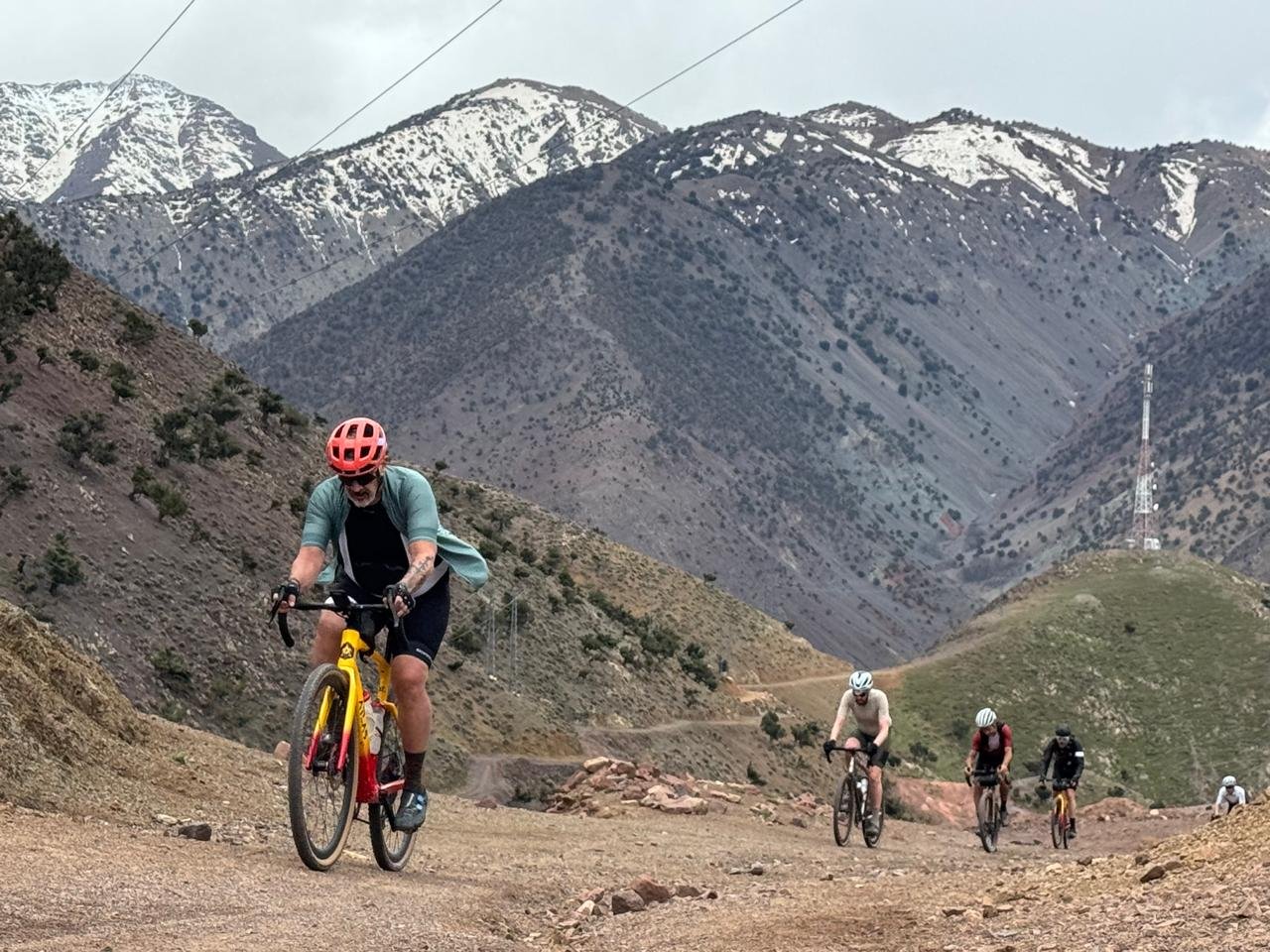
The Atlas Mountains, a striking range that stretches across Morocco, are not only known for their stunning panoramic views but also for the palpable sense of tranquility that permeates their valleys. This serene beauty, with its rugged terrain and quaint villages, provides a backdrop that often cloaks the profound stories of resilience embedded in the local culture. On a gravel bike tour through these magnificent mountains, one is confronted with a unique juxtaposition of nature’s splendor and the rich tapestry of human experience.
Throughout this journey, initial interactions with the locals reveal a mosaic of life in the Atlas. Their warm smiles and welcoming gestures may seem routine at first glance, yet these moments carry significant weight; they serve as a reminder of humanity’s interconnectedness. As travelers engage with villagers, sharing stories and laughter, the seemingly mundane exchanges evolve into heartfelt connections that linger long after the tour concludes. Such interactions highlight the depth of human resilience amidst the challenge of living in a rugged environment.
Moreover, the gravel bike ride itself offers an opportunity to reflect on both personal and collective resilience. The winding paths lead riders through picturesque landscapes, each turn revealing a different facet of the mountains, each moment steeped in quiet reflection. This combination of breathtaking scenery and the spirit of local communities creates an environment ripe for introspection. Here, amid the whispers of the wind and the distant sounds of village life, stories of resilience quietly unfold, teaching us to appreciate the calm as the precursor to inevitable rivalry against nature’s adversities.
A Glimpse Into Berber Life
The Berber villages nestled in the Atlas Mountains provide a profound insight into a culture that is rich in tradition and resilience. The people, known as the Amazigh, have inhabited this region for centuries, cultivating a lifestyle that is deeply intertwined with their harsh yet beautiful environment. Their existence is characterized by a profound connection to the land, which is reflected in their agricultural practices, artisanal crafts, and communal life.
Daily activities in a Berber village often revolve around the rhythms of nature. In the spring, villagers plant crops such as barley, wheat, and various vegetables, all adapted to the mountainous terrain. These farming practices are not merely for sustenance; they are rituals that celebrate the changing seasons and the blessings of the earth. Knowledge is often passed down through generations, ensuring that agricultural techniques remain attuned to the landscape, providing a sustainable livelihood.
In addition to farming, the Berber culture is known for its craftsmanship, particularly in weaving and pottery. Women often gather to weave intricate rugs that tell stories of their history, each pattern and color symbolizing different aspects of their identity and beliefs. These artisanal products not only serve utilitarian purposes but also embody the artistic expression of a community deeply rooted in its heritage.
Moreover, community gatherings form an essential part of Berber life. Events such as weddings and festivals serve as opportunities for social bonding, during which traditional music and dance are performed. These celebrations strengthen communal ties and allow for the exchange of stories that have defined their resilience in an often challenging environment.
Ultimately, the Berber way of life in the Atlas Mountains stands as a testament to human adaptability, showcasing how a culture can thrive amidst natural adversity. Their enduring traditions and close-knit existence offer a glimpse into what it means to navigate life in one of the world’s most breathtaking yet challenging landscapes.
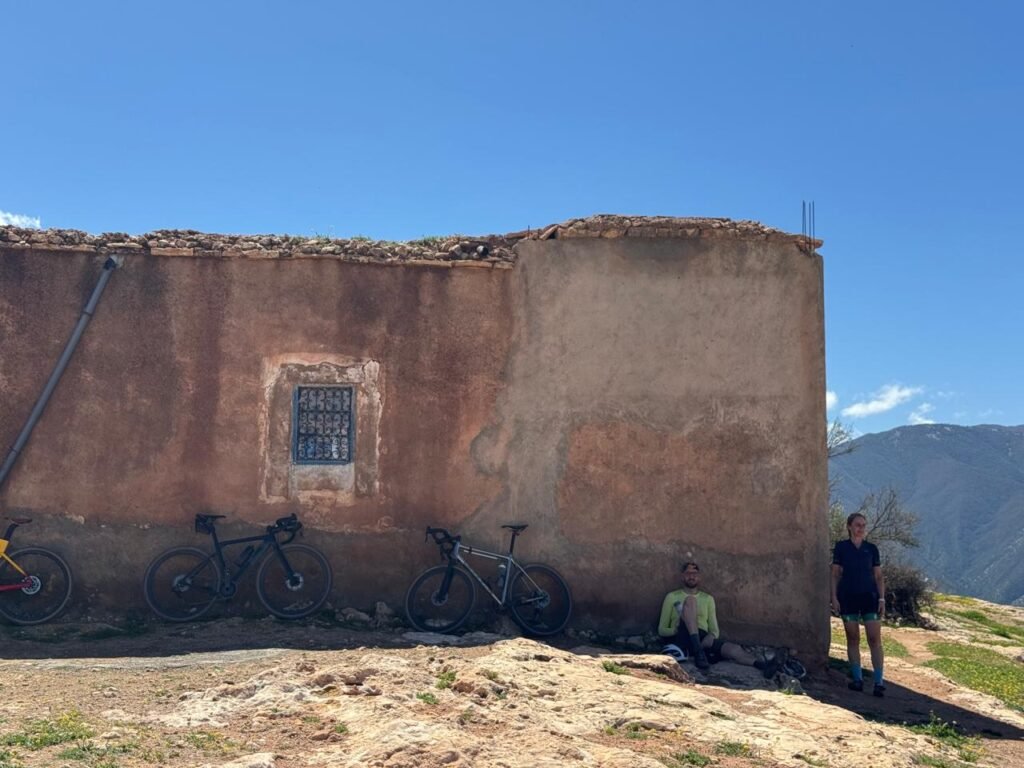
In the celebrated landscape of the Atlas Mountains, a moment of profound intensity unfolded between a mother and her young son, amid the threatening presence of a boulder precariously poised above them. This encounter serves not only as a snapshot of the precariousness of life but also as a powerful reflection on resilience amidst adversity. The towering boulder loomed as an ominous symbol of the potential dangers that permeate their existence. Yet, in this moment, the mother’s demeanor was anything but fearful; she emanated a remarkable calm that stood in stark contrast to the peril that enveloped them.
The conversation between mother and child was one of reassurance, a gentle attempt to shield her son from the anxiety that the boulder could foster. Her words, infused with profound wisdom, acted as a protective barrier against the fear that sought to invade their serenity. Through her unwavering gaze, she conveyed a sense of stability, fostering resilience in her child’s spirit. The mother’s ability to remain composed, even when faced with the potential threat of the massive stone overhead, highlighted her strength and fortitude. This juxtaposition not only underscores her role as a nurturer but also illustrates the intricate balance between vulnerability and strength that defines human experience.
As they stood together, the presence of the boulder transformed from a mere object of danger into a broader metaphor for challenges that individuals face throughout life. The brilliance of this encounter lies in how it encapsulates the essence of resilience—the capacity to confront the looming threats with grace, understanding, and unwavering strength. Through their dialogue, the mother instilled in her son the importance of facing fears head-on while fostering a belief in the power of calmness amidst turmoil. The image of this mother and child, grounded yet uplifted by their bond, resonates with a universal truth: that even in the face of great adversity, resilience can shine through.
Life in the Shadow of Danger: Community Resilience
Living in the Atlas Mountains presents unique challenges, particularly given the frequent natural disasters that threaten the region. Earthquakes, landslides, and droughts are not just occasional occurrences but rather a part of life that shapes community dynamics. The resilience demonstrated by the villagers is a testament to their ability to adapt and thrive amidst uncertainty. This resilience is rooted in a deep-seated connection to the land, culture, and each other.
The community employs a variety of coping mechanisms to manage the relentless presence of danger. One of the most significant strategies is fostering strong social bonds. Villagers often come together during times of crisis, pooling resources and offering support to one another. Such collective efforts not only help in immediate recovery but also reinforce the social fabric, creating a robust network of mutual aid that can be relied upon in tough times.
Several stories from the community illustrate this spirit of resilience. For instance, the tale of an elderly woman who organized a cooperative after a devastating earthquake showcases the proactive measures residents take. Her efforts to consolidate resources enabled families to rebuild homes and resumes farming operations in a united manner. This not only facilitated recovery but also instilled a sense of hope and purpose within the community.
atlas mountains:
Moreover, villagers share their experiences and knowledge, educating the younger generation on how to prepare for future disasters. Traditional practices are interwoven with modern techniques, creating a hybrid approach that takes advantage of both inherited wisdom and contemporary advancements. By doing so, they ensure that their children are equipped with the skills necessary to navigate the ever-present threat of environmental challenges.
The Shattering Earthquake: A Catastrophic Change
The Atlas Mountains are known for their stunning landscapes and resilient communities; however, the recent earthquake profoundly shattered this picturesque tranquility. On a fateful day, an earthquake with a magnitude of 7.0 struck, causing significant devastation within the region. Reports indicate that the quake resulted in the destruction of over 2,500 buildings, leaving approximately 10,000 individuals homeless. Infrastructure such as roadways and bridges collapsed, complicating rescue efforts and making aid access a substantial challenge.
atlas mountains:
Survivors have recounted harrowing personal experiences that illustrate the emotional toll this calamity has taken. For instance, 65-year-old Fatima, who lived in the village of Imlil, shared how the tremors shook not only the ground but the very fabric of their community. “I remember my grandchildren’s laughter turning to screams in a matter of seconds,” she recalled, her voice trembling as she described how family homes crumbled around them. Communities that once thrived in cultural harmony now face uncertainty as they grapple with loss and displacement.
atlas mountains:
The human cost of this disaster is immeasurable. An estimated 500 lives were lost, and many families remain torn apart, with loved ones still unaccounted for in the aftermath. Mental health concerns are climbing; trauma from the experience has left many in the region struggling to cope day-to-day. Health professionals are witnessing an uptick in anxiety and depression among survivors, further emphasizing the earthquake’s far-reaching implications beyond physical destruction.
atlas mountains:
As the region begins to recover, rebuilding requires not just physical reconstruction but also emotional healing. The road ahead will demand resilience and solidarity among the inhabitants of the Atlas Mountains as they forge a path toward rebuilding their lives and communities.
Aftermath: Struggles and Hardships
The aftermath of the disaster in the Atlas Mountains brought an overwhelming sense of grief and loss among the villagers. As they emerged from the immediate chaos, they were met with the stark reality of destroyed homes and shattered lives. Many residents found themselves grappling with the emotional repercussions of the event. The sudden loss of loved ones and the obliteration of their shelters left an indelible mark on their psyche. In the face of such adversities, the villagers exhibited remarkable resilience, banding together to support one another through the difficult recovery process.
The psychological toll was profound. Survivors often experienced feelings of despair, anxiety, and confusion, as they navigated their new lives amidst the ruins. In the initial days following the disaster, it became apparent that community support was essential for healing. Villagers shared not only resources, like food and clothing, but also their emotional burdens. Through communal gatherings and informal support networks, individuals found a sense of solace in shared experiences and common struggles.
Relatives and friends provided a crucial lifeline, fostering a spirit of unity and cooperation. This collective effort to rebuild was driven by an understanding that each individual’s recovery was interlinked with the community’s restoration. As homes were reconstructed and basic necessities were distributed, moments of hope began to emerge amid the darkness. The community focused on collective strength, and this shared commitment became a beacon of resilience.
Despite the challenges ahead, the villagers’ determination to support each other played a pivotal role in overcoming their hardships. The emotional scars may linger, but the bond forged in the aftermath is a testament to the strength of human spirit when facing unimaginable struggles. As they navigate their path to recovery, the stories of resilience within this resilient community stand firm, reminding us all of the power found in unity and mutual support.
Returning to the Village: A Heartbreaking Discovery
Years after my initial journey to the Atlas Mountains, I found myself retracing those same paths, drawn back by the memories that lingered in my mind. The village, now a mere silhouette against the vast landscape, was once a vibrant tapestry of life and laughter. I had come back in search of the woman who had shown me unparalleled kindness during my earlier visit. A deep sense of hope intertwined with fear consumed me as I approached the familiar village square. What would I find? Would the echoes of joy remain amid the solemn silence that so often shrouded such places?
As I entered the village, the weight of anticipation hung heavily in the air. I was met with an unsettling quietness, as if the mountains themselves were holding their breath. The vibrant colors of the village, which I had so vividly remembered, had dulled over time, overshadowed by an aura of sorrow. I reached out to the villagers, my heart pounding, eager to uncover the fate of the woman whose compassion had left an indelible mark on my life. However, the responses I received were filled with hesitation and sadness. Through whispered accounts, pieces of a tragedy began to emerge, revealing a tale of resilience entwined with profound loss.
It became clear that nature, with its unpredictable might, had drastically changed the village. Landslides and floods had taken lives, leaving families shattered and communities struggling to heal. The woman I sought was among those who had been lost, her memory now a haunting reminder of the fragility of life. This discovery struck me with a force I had not anticipated. Each step I took through the village became a poignant reminder of the connections we form and how swiftly they can be severed. The heartache of loss resonated deeply within me, highlighting the undeniable truth of resilience. The villagers stood strong amidst the wreckage, embodying the very spirit that had initially inspired me in that enchanting place.
Lessons from the Mountains: Reflections on Stability and Fragility
The Atlas Mountains, imposing in their grandeur, evoke a sense of stability. Standing tall against the sky, they offer a comforting reminder of permanence in a world characterized by change. However, beneath their rugged facade lies a delicate ecosystem, rich with life yet vulnerable to the ebb and flow of environmental factors. This juxtaposition of strength and fragility serves as a poignant reminder of the complexities inherent in our own lives.
In traversing the mountain paths, one is often confronted with the stark reality that what appears solid can be deceptively fragile. The landscapes, while seemingly stable, can be reshaped by forces such as erosion, climate change, and natural disasters. This realization prompts deeper introspection into our understanding of stability: is it merely the absence of upheaval, or does it demand a proactive engagement with our environment and circumstances? This philosophical inquiry underlines a universal truth—stability is not an inherent state but rather a continuous process of adaptation and resilience.
Moreover, the human settlements nestled between the towering peaks exemplify this principle. Communities have thrived for generations amidst adversity, illustrating that resilience is cultivated through a blend of tradition and innovation. When faced with the challenges of nature, these inhabitants draw upon their history while also seeking new solutions. Therefore, the experience of living in such close proximity to nature’s unpredictability teaches invaluable lessons about the significance of flexibility and perseverance in the face of adversity.
Ultimately, the lessons drawn from the Atlas Mountains illuminate the balance between stability and fragility that defines our existence. Recognizing this interplay encourages a deeper appreciation for both the strength and vulnerabilities we encounter in our personal journeys. It highlights the importance of fostering resilience, embracing change, and preparing for life’s inevitable uncertainties while remaining grounded in our values and relationships.
Conclusion: Holding On to Stories that Matter
As we reflect on the narratives that emerge from the challenging landscapes of the Atlas Mountains, it becomes evident that stories serve as vital conduits for understanding human experience. They hold the power to connect individuals across time and space, allowing us to honor the memories of those who have been affected by disaster. Each story carries the emotional weight of resilience, loss, and hope, illustrating how communities weave their identities through shared experiences.
In the face of adversity, the resilience of the human spirit often shines through narratives that recount survival and recovery. These stories not only acknowledge the pain and suffering encountered but also celebrate the strength and courage of those who endure. By remembering and sharing these accounts, we contribute to a larger tapestry of human experience that transcends geographical boundaries. They remind us that we are part of a collective memory that binds us and influences our perspectives toward life.
Moreover, stories allow us to process complex emotions, offering solace and understanding in turbulent times. They serve as a reminder that even in the darkest moments, there exists the potential for rebirth and renewal. Honoring the lives impacted by calamity becomes essential in cultivating a culture that recognizes the importance of empathy and support. As we listen to stories of resilience, we learn valuable lessons that can guide us in our journeys, shaping our responses to challenges that we may face.
In conclusion, the stories we carry with us are more than mere recollections; they are reflections of shared humanity. They influence our understanding of resilience and remind us of the significance of honoring those who have come before us. By holding on to these stories, we not only preserve their memory but also foster a profound connection to the essence of what it means to be resilient.


