
Introduction to Gravel Bike in Morocco
Gravel biking has emerged as a compelling adventure travel option, attracting cycling enthusiasts looking to explore off-the-beaten-path routes. This form of cycling combines the thrill of mountain biking with the endurance of road cycling, allowing riders to traverse a diverse array of terrains—from rugged mountain trails to smooth country roads. Morocco, with its unique geographical features and rich cultural heritage, proves to be an exceptional destination for those intrigued by this sport.
One of the defining characteristics of gravel biking is versatility. Cyclists are not limited to a specific type of terrain; instead, they can venture through a myriad of landscapes. In Morocco, adventurers can experience breathtaking vistas of the Atlas Mountains, navigate through arid deserts, and cycle alongside verdant valleys. The country’s varied topography offers an ideal playground for gravel bikers, facilitating both challenging rides and leisurely explorations.
Moreover, what sets Morocco apart as a prime location for gravel biking is its cultural richness. As you cycle through the picturesque landscapes, you will encounter traditional Berber villages, ancient kasbahs, and vibrant local markets. These cultural immersions provide a deeper understanding of Moroccan life, enhancing the overall experience. The fusion of natural beauty and cultural exploration makes gravel biking in Morocco not just a physical journey but a cultural expedition as well.
In addition, the weather conditions and regional hospitality further embellish the cycling experience. With its mild climate, Morocco allows for year-round cycling opportunities. Enthusiasts can experience the warm hospitality of local communities, who are often eager to share their customs and stories with travelers. This sense of community enriches the gravel biking experience, making it truly memorable.
The Journey Begins: Starting Your Adventure
Embarking on a gravel bike journey through Morocco is a thrilling experience that combines the beauty of nature with the richness of culture. To ensure a successful adventure, proper preparation is paramount. Start by selecting a reliable gravel bike, ideally suited for varying terrains. A bike equipped with wider tires will offer better stability on mixed surfaces, ranging from paved roads to rugged paths.
As you prepare for your journey, it is essential to gather the right gear. Essential items include a quality helmet, cycling apparel suitable for changing weather conditions, hydration packs, and basic repair kits. It is also advisable to pack lightweight camping gear if your plan includes overnight stays in remote locations. Given Morocco’s varied climate, layering is key; it allows you to adapt your clothing to fluctuating temperatures throughout the day.
Your adventure realistically begins in Marrakech, a city that marries tradition and modernity. This vibrant city will serve as your launching point, providing a glimpse into Morocco’s diverse culture. As you set out on your gravel bike, the anticipation will be palpable. Expect to navigate through bustling markets, ancient medinas, and open landscapes that are both tranquil and full of life. The first day of riding should be approached with excitement and a readiness to embrace the unexpected. Make sure to take mental notes of your surroundings; picturesque vistas often await just around the corner.
Lastly, cultivating the right mindset is crucial. Embrace the journey as an opportunity for adventure rather than just a physical challenge. Recognize that mishaps may occur, and view each experience as a chance to learn and immerse yourself further in Moroccan culture. By preparing adequately and approaching the ride with an adventurous spirit, you will set the tone for an unforgettable adventure, making the most of your gravel bike journey through Morocco.
Pedaling Through Remote Valleys
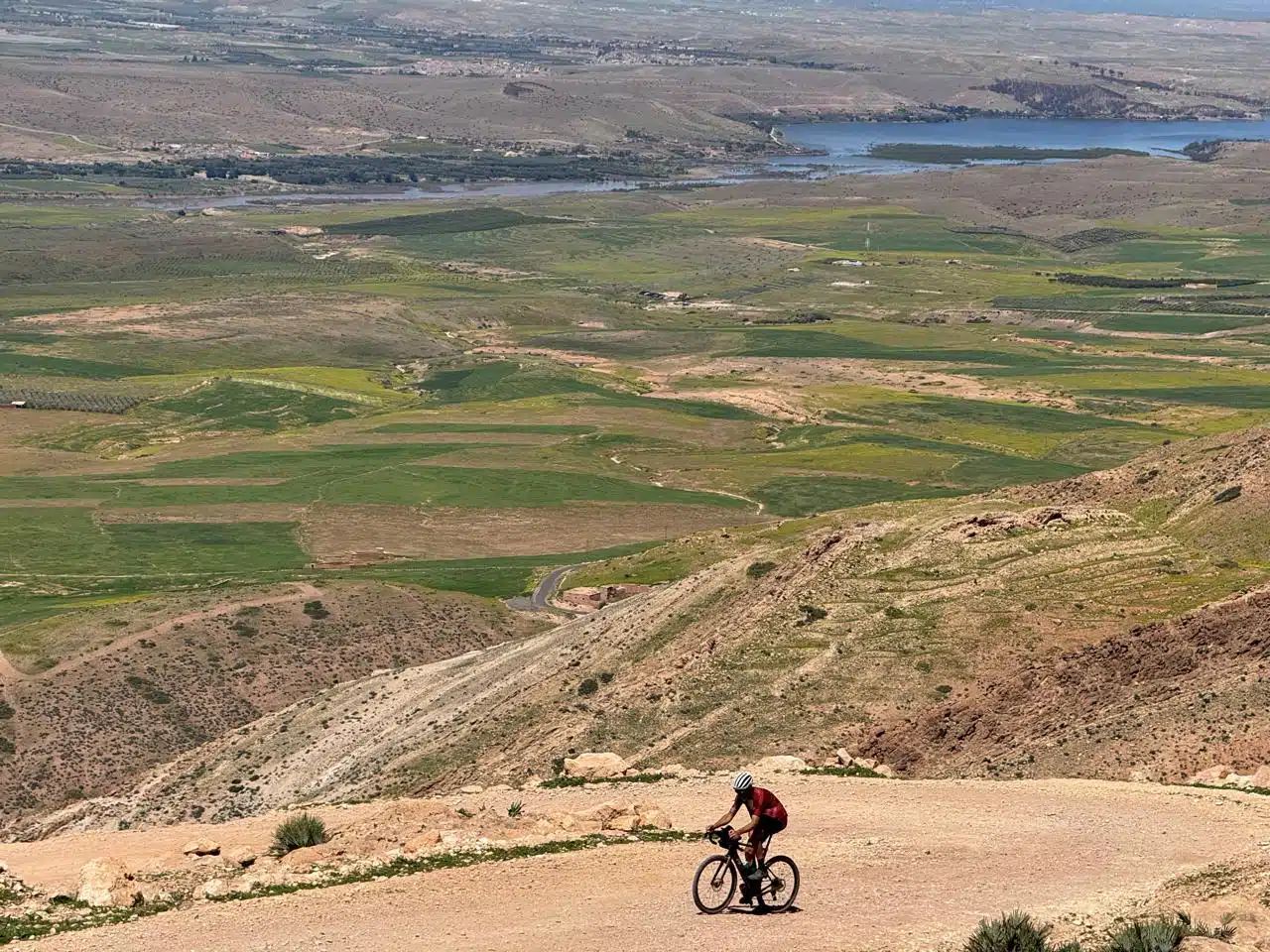
Embarking on a gravel bike journey through the remote valleys of Morocco reveals an unparalleled experience that synthesizes culture and nature. The serenity encountered while cycling beneath the expansive blue sky offers a refreshing escape from urban life, drawing cyclists closer to the breathtaking landscapes that define this region. As you navigate the rugged trails, you are enveloped by an array of natural wonders, from majestic mountain ranges to lush green valleys, each presenting an ever-changing panorama.
The remote valleys are characterized by their distinctive tranquility, where the sounds of nature replace the sirens of the city. The crisp air and the gentle rustling of leaves create a symphony that accompanies each pedal stroke. Riders have the unique opportunity to observe local wildlife in their natural habitat, which adds to the richness of the experience. As the sun casts its golden hues over the valleys, the scenery transforms into a picturesque tableau, inviting cyclists to pause and absorb the beauty surrounding them.
Cycling through these rural landscapes not only enhances one’s connection to nature but also to the vibrant cultures residing within. Along the route, cyclists may encounter traditional Berber villages bustling with life, showcasing time-honored customs and a way of life that has remained largely unchanged. The interactions with locals offer glimpses into their hospitality and way of life, enriching the cycling experience further.
Exploring Morocco on a gravel bike is indeed a journey that goes beyond mere physical activity. It fosters a deep appreciation for the natural beauty and cultural richness of the region, allowing cyclists to connect to the land in a way that is both soulful and exhilarating. Whether traversing the scenic mountain passes or meandering through verdant valleys, every moment spent pedaling is an invitation to discover the real Morocco.
Exploring Traditional Villages
The journey through Morocco on a gravel bike is a unique opportunity to engage with traditional Berber villages, providing an authentic experience of the region’s rich culture and heritage. As cyclists navigate through the scenic landscapes, they will encounter numerous Berber communities that offer a glimpse into a way of life that has thrived for centuries amidst the imposing Atlas Mountains.
These villages, often perched on the hillside, are characterized by their ochre-colored earthen homes that blend seamlessly with the natural environment. Constructed from local materials such as clay and stone, the architecture reflects the traditional building methods passed down through generations. Many homes feature intricate designs and vibrant colors, showcasing the artisanship and creativity of the Berber people. Cyclists may observe the unique architectural styles that vary from one valley to another, each telling a different story of the local heritage.
Interacting with the locals offers a profound insight into the daily life of Berber communities. As cyclists stop for refreshments or rest, they will likely be greeted with warmth and hospitality. Villagers often invite travelers into their homes for tea, a customary gesture that symbolizes friendship and welcome. Through these interactions, riders learn about traditional practices, such as weaving and pottery, and the significance of agricultural activities that sustain these communities.
Notably, the Berber people maintain a keen connection with their land and traditions, which is reflected in their continued use of age-old customs and practices. The simplicity and resilience of their lifestyle stand in stark contrast to the fast-paced modern world, providing a refreshing perspective for those who take the time to pause and engage with this vibrant culture. This exploration of traditional villages enriches the gravel bike journey, forging lasting memories of companionship and cultural exchange.
Visiting Ancient Kasbahs
The ancient kasbahs of Morocco serve as significant symbols of the country’s rich heritage, revealing a tapestry of history that stretches back centuries. These fortified structures, often built from local clay and stone, not only showcase the remarkable architectural prowess of past civilizations but also provide insight into the socio-political dynamics of their time. They were historically designed to defend against invasions and have since evolved into cultural icons that attract visitors from around the globe.
Each kasbah carries its own unique story, reflecting the influences of various empires that have ruled over Morocco. For instance, the Kasbah of Ait Ben Haddou, a UNESCO World Heritage site, stands as a testament to the traditional earthen clay architecture and served as a crucial stopping point for caravans crossing the Sahara. The intricate carvings and vibrant murals found in many kasbahs depict everyday life and significant events, offering a glimpse into the world of the past. Visitors are often amazed at how these structures have managed to withstand the test of time, with many still serving as homes for local families.
For those keen to delve deeper into the history and cultural significance of these remarkable sites, guided tours are available. Expert guides are knowledgeable about the stories and traditions surrounding each kasbah, providing valuable context and enriching the overall experience. As you navigate through these ancient structures, you will gain an appreciation for the lifestyle, craftsmanship, and resilience of the Moroccan people throughout history. Exploring the kasbahs not only enhances your understanding of Morocco’s past, but also allows you to enjoy breathtaking views of the surrounding landscapes, making it an integral part of your gravel bike journey through this captivating country.
Engaging with Berber Women’s Cooperatives
One of the most enriching experiences while traveling through Morocco is engaging with the Berber women’s cooperatives. Situated in the picturesque mountainous regions, these cooperatives are often run by women who are dedicated to preserving their cultural heritage while uplifting their local communities. Visitors have the unique opportunity to witness the intricate craftsmanship involved in traditional activities such as weaving, pottery, and artisanal food production.
At these cooperatives, travelers will find a wealth of handcrafted products that reflect the rich cultural identities of the Berber people. The vibrant textiles, often seen as a symbol of Berber heritage, showcase stunning geometric patterns and colors created using ancient techniques handed down through generations. Each piece tells a story, often inspired by the natural environment and traditional motifs, which the women are eager to share with visitors. This experience allows for a deeper understanding of the artistry that goes into each product, making it far more than just a souvenir.
The stories of the women behind these cooperatives are as compelling as their craftsmanship. Many of these women have overcome significant challenges to create sustainable livelihoods for their families. By visiting these cooperatives, travelers are not merely passive observers but active participants in supporting the local economy. They engage with the women, learn about their daily lives, and appreciate their resilience. This authentic interaction often leads to memorable conversations, offering a glimpse into the traditions and values that shape Berber culture.
As visitors immerse themselves in these experiences, they contribute to the preservation of these time-honored crafts and the empowerment of women artisans. By purchasing handmade items or participating in workshops, travelers help ensure that these traditions continue for future generations while fostering economic independence among the Berber women.
Meeting Nomadic Families
Embarking on a gravel bike journey through Morocco offers not only breathtaking landscapes but also the profound opportunity to meet nomadic families who embody the rich cultural heritage of the region. These encounters are heartwarming, as they invite travelers to experience a lifestyle that has remained relatively unchanged over time. Nomadic families often inhabit remote areas, living in tents and moving according to the seasons and availability of resources like water and pastures for their livestock.
The traditional customs of these families provide insight into an age-old way of life deeply connected to nature and the land. Upon arrival, guests are typically welcomed with the warmest hospitality, a hallmark of Moroccan culture. This generosity is exemplified in the time-honored practice of sharing mint tea. The preparation and serving of this beverage are ritualistic; hosts often spend time brewing tea with fresh mint and sugar, creating a sweet and fragrant experience that fosters a sense of community.
As families gather to share stories over the shared pot, listeners can gain an appreciation for their way of life. Each narrative reveals layers of history and tradition, reflecting the resilience and adaptability of these nomadic people. Learning about their lives can enhance one’s understanding of Morocco’s diverse cultural tapestry. The connections formed during these meetings are both meaningful and transformative; an exchange that transcends language and speaks to the universal desire for connection. Moments spent together, sharing experiences and laughter, forge bonds that can last a lifetime. Such encounters remind travelers of the depth of human experience and the beauty found in simplicity and tradition, making every gravel-strewn mile of the journey all the more fulfilling.
Understanding Local Craftsmanship and Daily Life
Morocco is a country rich in history and tradition, where local craftsmanship plays an essential role in its cultural identity. Skilled artisans have honed their craft over generations, creating everything from intricate pottery and textiles to handwoven carpets and leather goods. Each piece tells a story, showcasing not only artistic expression but also the heritage of the communities that create them. The techniques used often reflect a blend of influences from various cultures, including Berber, Arab, and French, creating a unique aesthetic that is distinctively Moroccan.
The art of craftsmanship in Morocco is not merely a profession; it is a way of life. Many artisans belong to families that have been practicing their trade for centuries. This generational knowledge transfer ensures that skills are preserved and innovations are introduced without compromising the essence of traditional methods. For example, local potters in places like Fez continue to produce hand-painted ceramics using techniques that date back to the medieval period, while newer artisans might experiment with modern design ideas, thereby merging the old with the new.
Daily life in Morocco, particularly in rural areas, is heavily influenced by these crafts. Markets, known as souks, serve as vibrant centers of commerce where locals gather to sell their handcrafted goods. These markets not only foster economic activity but also preserve social traditions, as bargaining and storytelling are integral components of the shopping experience. As towns evolve with the influx of tourism and globalization, local communities strive to maintain their cultural integrity while simultaneously adapting to modern influences. The balance between tradition and innovation is crucial in ensuring that Morocco’s crafts remain relevant in today’s world.
Conclusion: The Soul of Morocco Through Gravel Biking
Gravel biking in Morocco offers an extraordinary opportunity to engage with the very essence of this vibrant country. As one navigates through the diverse landscapes—from the rolling hills of the Atlas Mountains to the expansive deserts—an intimate connection with the natural world emerges. This experience is not merely about completing a physical challenge; it is also a gateway to understanding the rich tapestry of Moroccan culture, you can read more about it on Moroccan National Tourist Office
Throughout the journey, riders encounter an array of cultural gems, from traditional Berber villages to bustling markets teeming with local crafts and delicacies. Each stop delivers insight into the lives of the Moroccan people, their customs, and their history. The warm hospitality encountered along the route reinforces the notion that gravel biking is an invitation to experiential learning, fostering an appreciation for the diverse heritage that shapes this remarkable nation.
Moreover, the picturesque scenery serves as a constant reminder of Morocco’s breathtaking natural beauty. As cyclists traverse ancient paths, they witness the stark contrasts between arid deserts and lush oases, each offering its own unique charm and perspective. These natural wonders not only enhance the biking experience but also inspire a deeper reflection on the relationship between culture and environment.
In conclusion, a gravel bike journey across Morocco promises to be a profoundly enriching experience. It melds physical endurance with cultural exploration, allowing riders to immerse themselves in the heart of Morocco. This adventure stands as a compelling call to those seeking not just an athletic pursuit but a meaningful expedition into the soul of a country brimming with history, culture, and awe-inspiring landscapes.
Gravel Bike Articles