Gravel Tours In Morocco
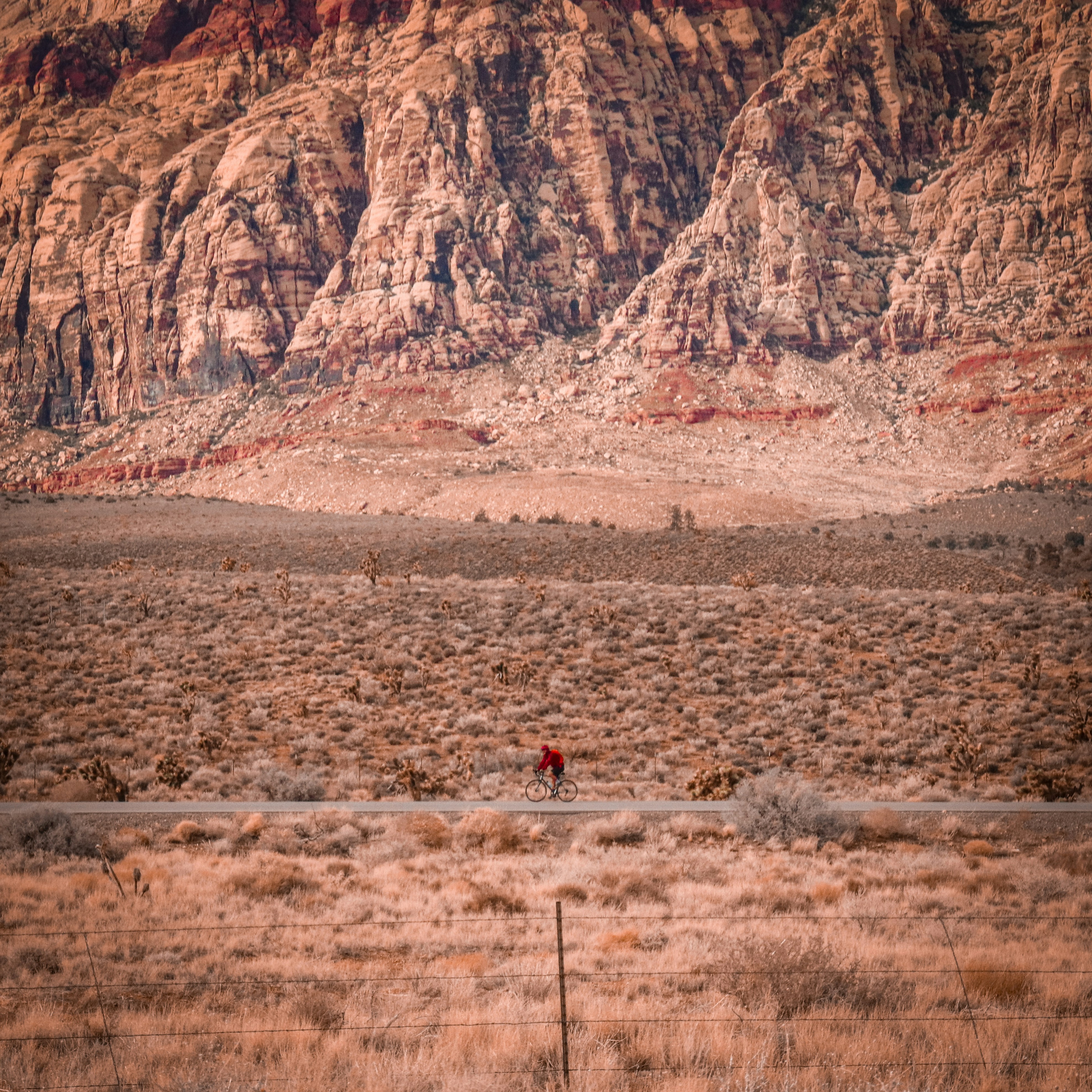
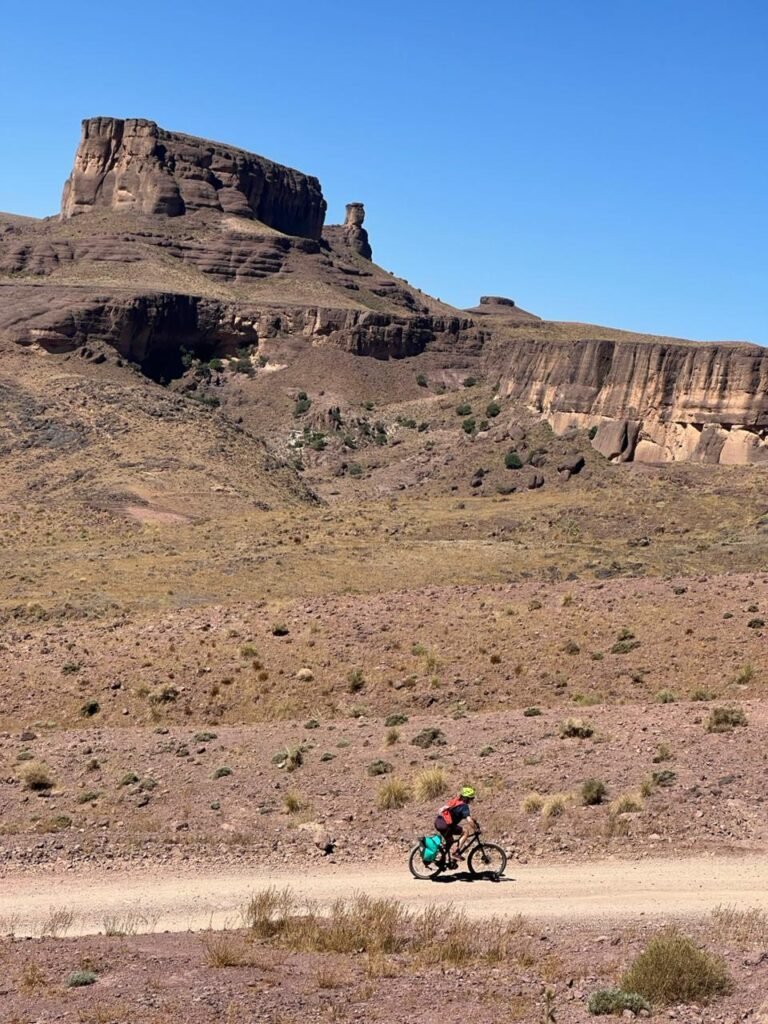
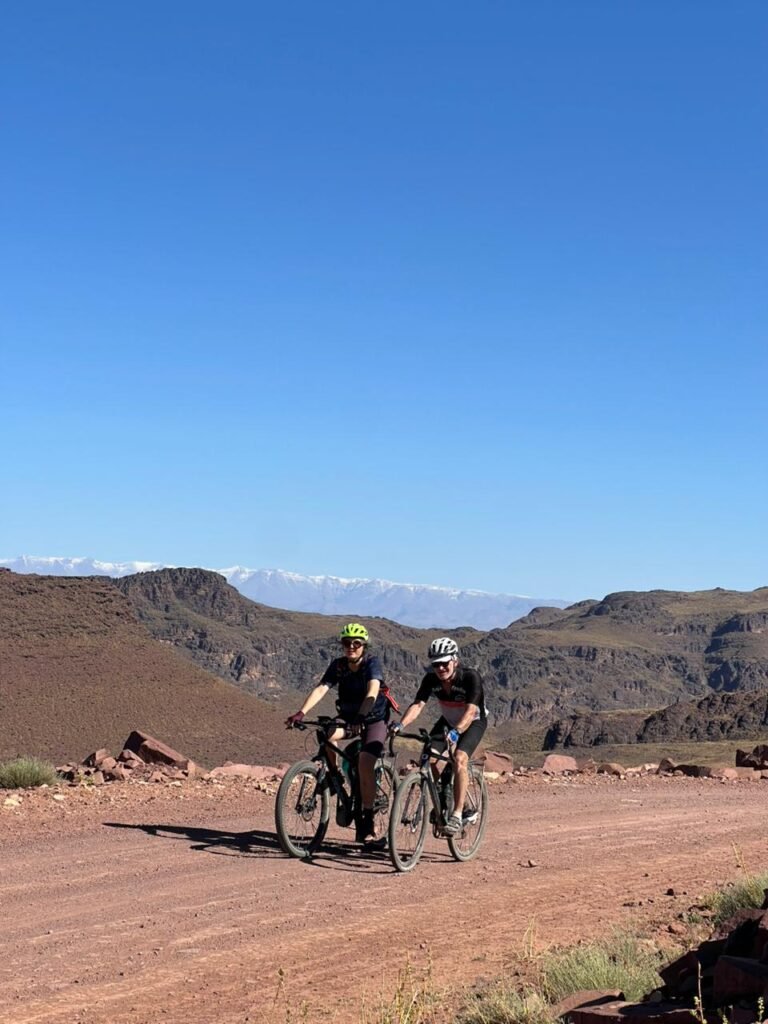
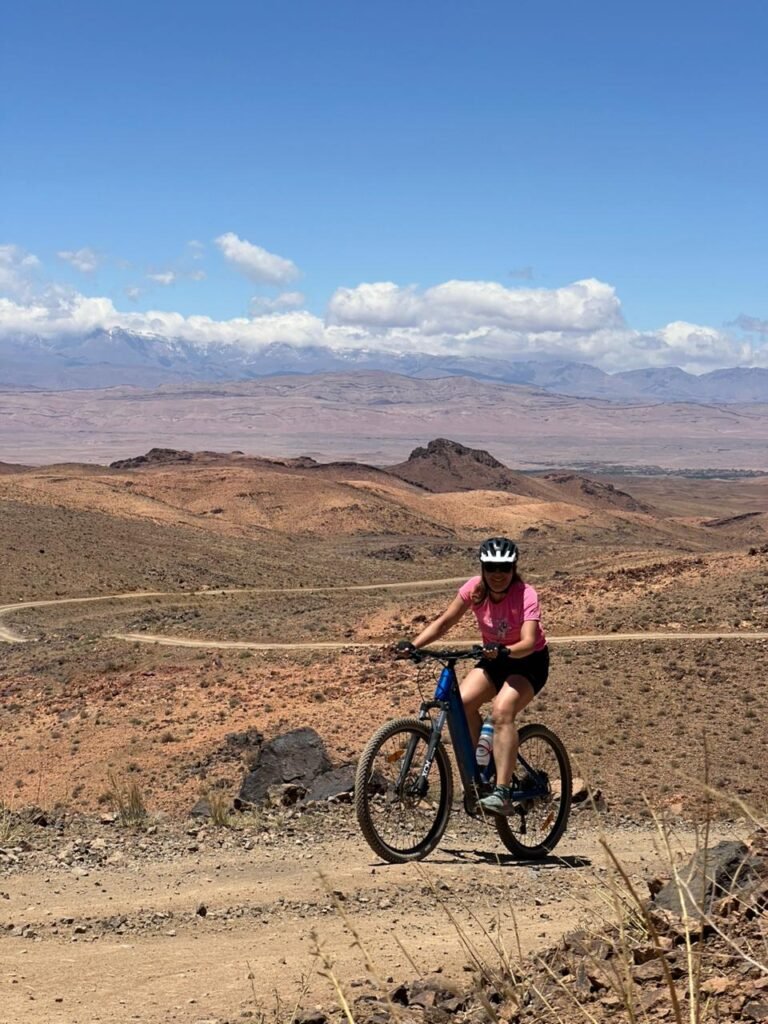
Morocco is one of the most captivating destinations for cycling enthusiasts, particularly for those interested in gravel tours in Morocco. Its stunning landscapes, combined with a rich cultural heritage, create the perfect backdrop for an unforgettable biking adventure. From the majestic Atlas Mountains to the expansive Sahara Desert, Morocco offers diverse terrains that challenge riders and provide breathtaking views.
Why Choose Gravel Tours in Morocco
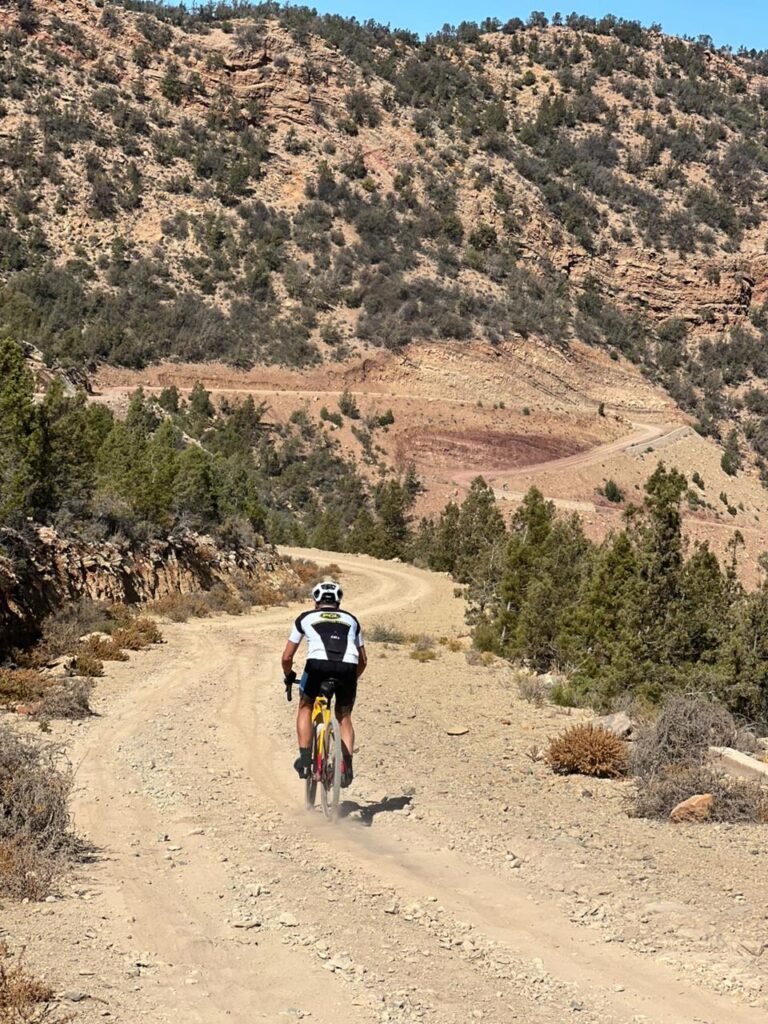
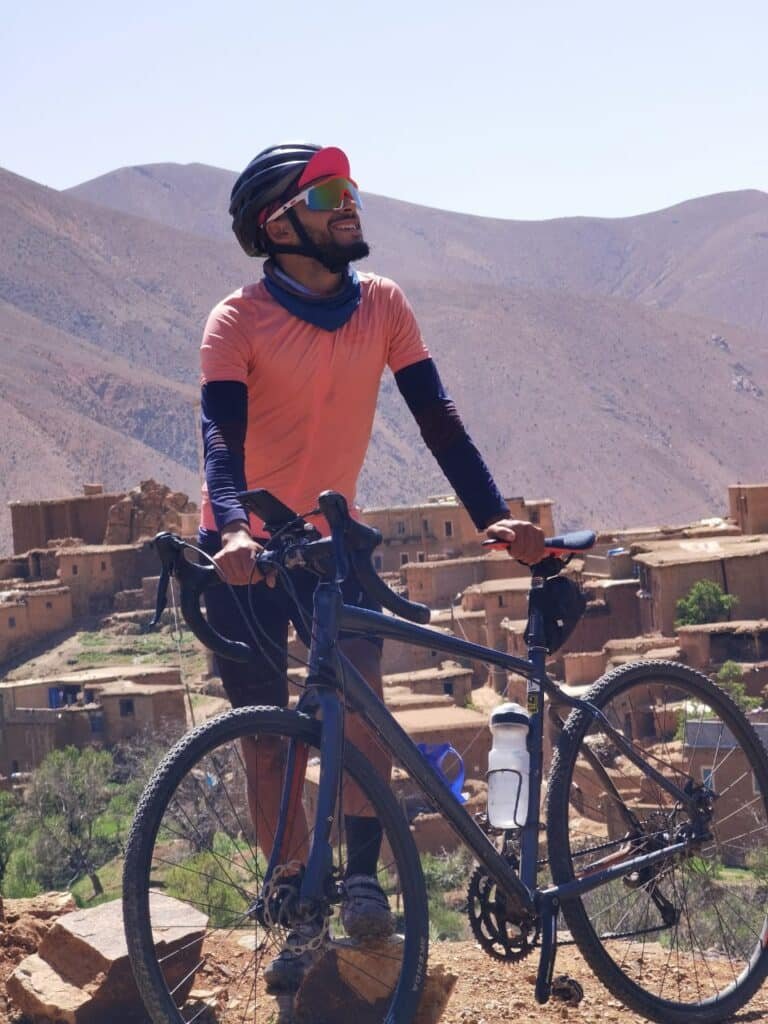
The varied landscapes of Morocco cater to both novice and experienced cyclists. Gravel biking is especially popular due to the extensive network of rural paths winding through scenic valleys, traditional villages, and bustling local markets. Each ride is not just a physical challenge but also a cultural journey.
Morocco’s weather conditions make it a year-round destination for cyclists. Spring and autumn offer mild temperatures perfect for long rides, while winter allows biking in lower altitudes where the climate remains comfortable. This versatility makes gravel tours in Morocco appealing across all seasons.
Local hospitality further enhances the experience. Knowledgeable guides provide insights into regional history and traditions, making each ride an immersive cultural exploration. Whether choosing organized tours or self-guided trips, every route promises adventure, culture, and scenic beauty.
Popular Routes: Atlas Mountains & Ourika Valley
Atlas Mountains Gravel Tours
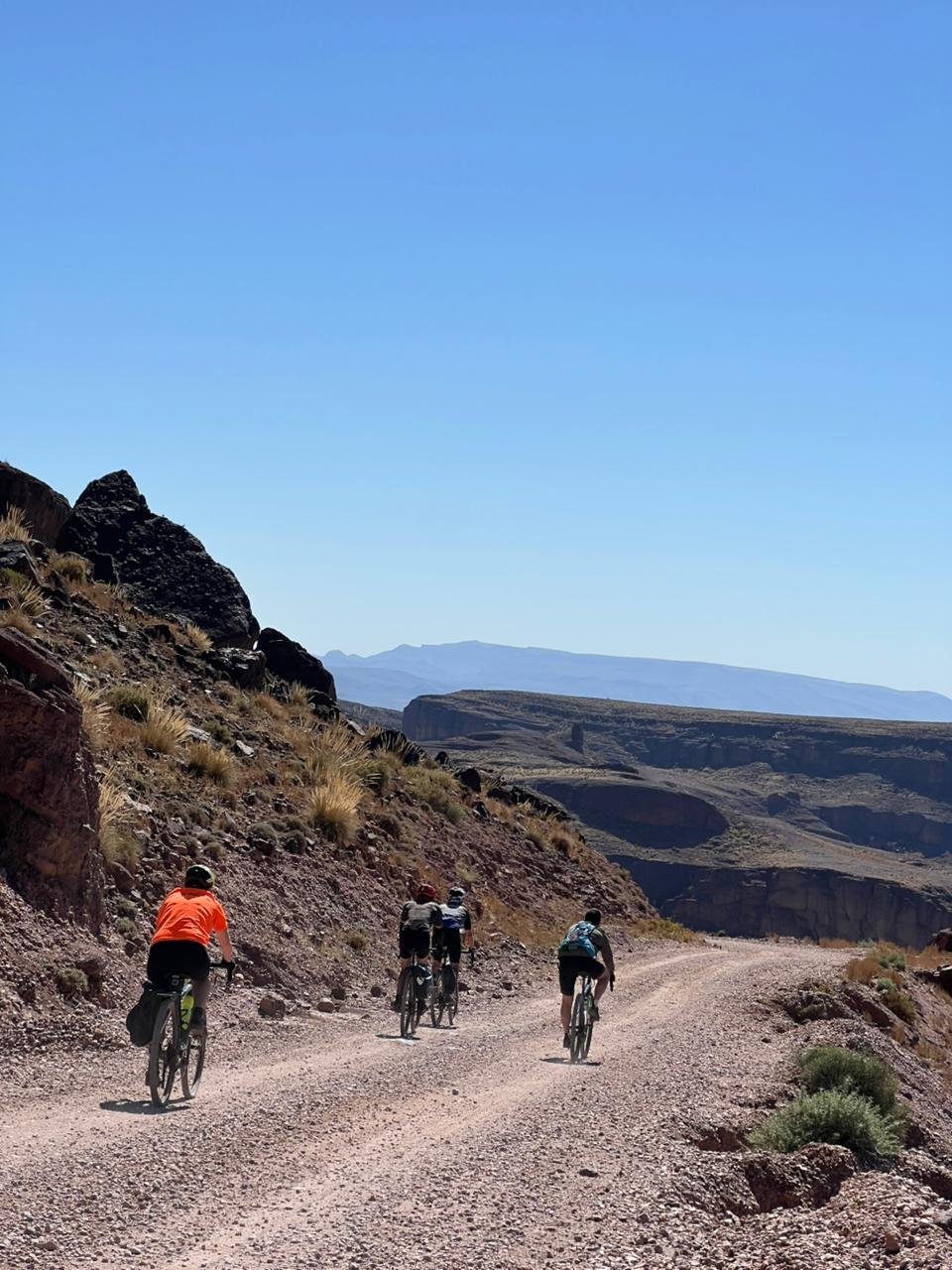
The Atlas Mountains are a must for seasoned cyclists seeking a challenge. Routes here range from 50 to 100 kilometers, with elevation gains that test endurance. Along the way, riders pass through picturesque villages, lush valleys, and enjoy panoramic views of snow-capped peaks. Key highlights include:
- Imlil – A vibrant village ideal as a starting point for mountain routes.
- Ait Benhaddou – A UNESCO World Heritage site showcasing traditional Moroccan architecture.
Gravel tours in Morocco’s Atlas region allow travelers to combine adventure with cultural immersion, making it a truly memorable experience.
Ourika Valley Gravel Tours
For a more relaxed ride, the Ourika Valley offers smoother paths and shorter distances, typically 25–40 kilometers. The valley is adorned with lush greenery, flower fields, and riverbanks. Highlights include:
- Setti Fatma Waterfalls – Perfect for a refreshing break during your ride.
- Local Berber Markets – Experience traditional Moroccan culture firsthand.
Both the Atlas Mountains and Ourika Valley provide distinct gravel tours in Morocco experiences, catering to riders of all skill levels.
Planning Your Gravel Bike Trip
Successful gravel tours in Morocco require preparation. Here are key considerations:

- Bike Choice – Use a gravel bike with wider tires for better grip and stability on loose surfaces.
- Packing Essentials – Helmet, gloves, padded shorts, repair tools, pump, first-aid kit, hydration system, and layered clothing for temperature changes.
- Navigation – GPS devices or cycling maps are essential for less-marked trails.
- Documentation – Ensure you have all permits needed for biking in specific areas.
For up-to-date weather forecasts during your trip, check Weather.com to plan your ride safely.
Cultural Experiences Along the Way
Gravel tours in Morocco offer more than cycling—they are a cultural journey. Local cuisine, including tagine and couscous, provides a flavorful experience. Visiting markets or participating in cooking classes offers deeper engagement with Moroccan culinary traditions.
Cyclists also encounter welcoming local communities and traditional craftspeople. From pottery in Fes to weaving in the Atlas, these interactions support local artisans and provide unforgettable cultural memories.
Must-See Destinations for Cyclists
- Marrakech – Explore vibrant markets, the iconic Jardin Majorelle, and historic streets.
- Atlas Mountains – Ideal for challenging gravel tours and immersion in Berber culture.
- Ait Benhaddou – UNESCO World Heritage site with stunning earthen architecture.
- Essaouira – Coastal town with scenic bike-friendly routes, artisan shops, and fresh seafood.
Each destination enhances both the cycling adventure and cultural experience, making gravel tours in Morocco truly enriching.
Seasonal Advice for Cycling in Morocco
- Best Months: March–May and September–November
- Spring: Mild temperatures (20–25°C / 68–77°F), blooming landscapes
- Fall: Comfortable warmth (25–30°C / 77–86°F), local festivals
- Winter: Cold in the mountains, moderate in lower regions
- Summer: Very hot (35°C / 95°F+), challenging for long rides
Understanding seasonal conditions ensures a safer and more enjoyable gravel biking experience.
Recommended Accommodations for Gravel Tours
- The Majestic Kasbah – Luxury hotel with bike storage, rentals, and breakfast.
- Riad Djemanna – Local guesthouse with repair stations and cultural immersion.
- African Rides Camp – Unique desert camping experience with access to dunes.
Choose accommodations based on comfort, location, and the type of cycling adventure you seek.
Safety Tips and Best Practices
- Wear a helmet and high-visibility clothing
- Ride predictably and follow local traffic rules
- Carry tools and spare parts for mechanical issues
- Travel with a buddy when possible
- Have a basic first-aid kit for minor injuries
Safety ensures a more enjoyable and worry-free gravel biking experience in Morocco.
Conclusion: Start Your Gravel Tours in Morocco Today
From the stunning Atlas Mountains to the tranquil Ourika Valley, gravel tours in Morocco offer an unforgettable adventure for cyclists of all levels. Combining physical challenge with rich cultural experiences, these tours allow riders to connect with Morocco like never before.
Plan your journey today, embrace the thrill of discovery, and see why Morocco is one of the most sought-after destinations for gravel biking enthusiasts worldwide.
Tips and FAQs for Gravel Tours in Morocco
If you’re planning gravel tours in Morocco, here are some practical tips and answers to common questions from fellow cyclists:
1. What Level of Fitness Do I Need?
Gravel tours in Morocco cater to all skill levels. Beginners can enjoy the Ourika Valley or coastal routes, while experienced riders may prefer the challenging climbs of the Atlas Mountains. Always start with routes that match your endurance and gradually progress.
2. What Gear Should I Bring?
Essential items include:
- Gravel bike with wider tires for stability
- Helmet, gloves, and padded shorts
- Repair kit, pump, and spare tubes
- Layers for changing temperatures and hydration system
3. Can I Rent Bikes Locally?
Yes! Many local providers in Marrakech, Imlil, and Essaouira offer high-quality gravel bikes for daily or multi-day tours. Renting locally can save on transport costs and allow you to try bikes suited to Moroccan terrains.
4. How to Prepare for Weather Changes?
Morocco’s weather can vary dramatically between valleys, mountains, and the desert. Check the forecast on reliable sites like Weather.com before starting your ride. Carry lightweight rain gear and sun protection.
5. Are There Guided Tours Available?
Absolutely. Guided gravel tours in Morocco are ideal for first-time visitors. Guides ensure safety, provide insights into local culture, and help navigate tricky trails. For self-guided cyclists, GPS maps and route notes are widely available online.
6. Best Time for Gravel Tours in Morocco
The optimal months are March–May and September–November. Spring offers blooming landscapes, while fall features cooler temperatures and local festivals, enhancing your cultural experience.
7. How to Combine Cycling with Cultural Experiences?
Stop at local markets, visit UNESCO World Heritage sites like Ait Benhaddou, and explore Berber villages. Your gravel tour can easily blend adventure with authentic Moroccan culture.
Pro Tip: Many riders combine gravel tours in Morocco with trekking in the Atlas Mountains or camel rides in the Sahara for an unforgettable adventure.
Ultimate Guide for Gravel Tours in Morocco: Tips, Routes, and Insider Advice
For cyclists planning gravel tours in Morocco, preparation and insight can make all the difference between an average ride and an unforgettable adventure. Here are key tips, practical advice, and insider knowledge to help you make the most of your trip.
Choosing the Right Routes
Morocco’s terrain offers endless options for gravel biking. Beginners may enjoy the gentle slopes and scenic paths of the Ourika Valley or coastal trails near Essaouira. For more experienced riders, the Atlas Mountains present challenging climbs, rugged trails, and breathtaking panoramas. Multi-day tours are especially rewarding, allowing you to experience Morocco’s diverse landscapes—from lush valleys to desert dunes.
What to Pack for Morocco Gravel Bike Tours
A well-packed bag ensures comfort and safety:
- Bike gear: Gravel bike with wide tires, helmet, gloves, and padded shorts.
- Repair kit: Spare tubes, pump, tire levers, and a basic toolset.
- Clothing: Lightweight layers for varying temperatures, rain gear, and sun protection.
- Hydration & nutrition: Water, electrolyte tablets, and energy snacks for long rides.
- Documents: Identification, permits if required, and local maps or GPS devices.
Weather and Seasonal Considerations
The best times for gravel bike tours in Morocco are spring (March–May) and fall (September–November). During these months, temperatures are mild, and the scenery is at its most beautiful. Winter can be chilly, especially in high-altitude areas, while summer temperatures may exceed 35°C (95°F) in inland regions. Check reliable weather sources such as Weather.com before planning your route.
Guided vs. Self-Guided Tours
Morocco offers both guided and self-guided gravel tours. Guided tours are ideal for first-timers or riders seeking local insights, with professional guides ensuring safety and cultural immersion. Self-guided tours are perfect for independent cyclists who enjoy exploring at their own pace—just make sure to have detailed maps, GPS routes, and an emergency plan.
Combining Cycling with Cultural Exploration
One of the most unique aspects of Morocco gravel tours is the cultural experience. Riders can:
- Visit Berber villages and interact with local communities.
- Explore historical sites like Ait Benhaddou, a UNESCO World Heritage site.
- Sample authentic Moroccan cuisine—tagine, couscous, and street food.
- Attend local festivals if your trip coincides with them, adding a vibrant cultural dimension to your ride.
Safety Tips for Gravel Biking in Morocco
- Wear a helmet and high-visibility clothing.
- Ride in groups when possible and stay aware of local traffic rules.
- Carry essential repair tools and know basic bike maintenance.
- Stay hydrated and pace yourself, especially on long climbs.
- Familiarize yourself with local emergency numbers and healthcare access.
Recommended Accommodations for Gravel Tours
Cyclists can choose from luxury hotels, riads, or desert campsites depending on their preferences. Many accommodations offer:
- Secure bike storage
- Local route recommendations
- Optional guided tours or bike rentals
Some top options include The Majestic Kasbah near the Atlas Mountains, Riad Djemanna in Marrakech, and African Rides Camp in the Sahara. These choices enhance your experience and provide comfort after long rides.
Pro Tips for an Unforgettable Ride
- Start early in the day to enjoy cooler temperatures and avoid traffic in towns.
- Take breaks at scenic spots to soak in the landscapes and capture photos.
- Combine cycling with trekking or camel rides for a unique multi-activity adventure.
- Consider local bike rental services for convenience and expert advice on routes.
With proper preparation, gravel tours in Morocco can become the adventure of a lifetime, blending thrilling cycling, stunning scenery, and rich cultural experiences. Whether you’re seeking a short weekend ride or a multi-day expedition, Morocco’s diverse landscapes promise unforgettable memories and a truly unique biking journey.